
Bali Trip Costs Guide: From Budget to Luxury
Bali is one of those destinations that can swing from shockingly cheap to genuinely luxurious within the same afternoon.
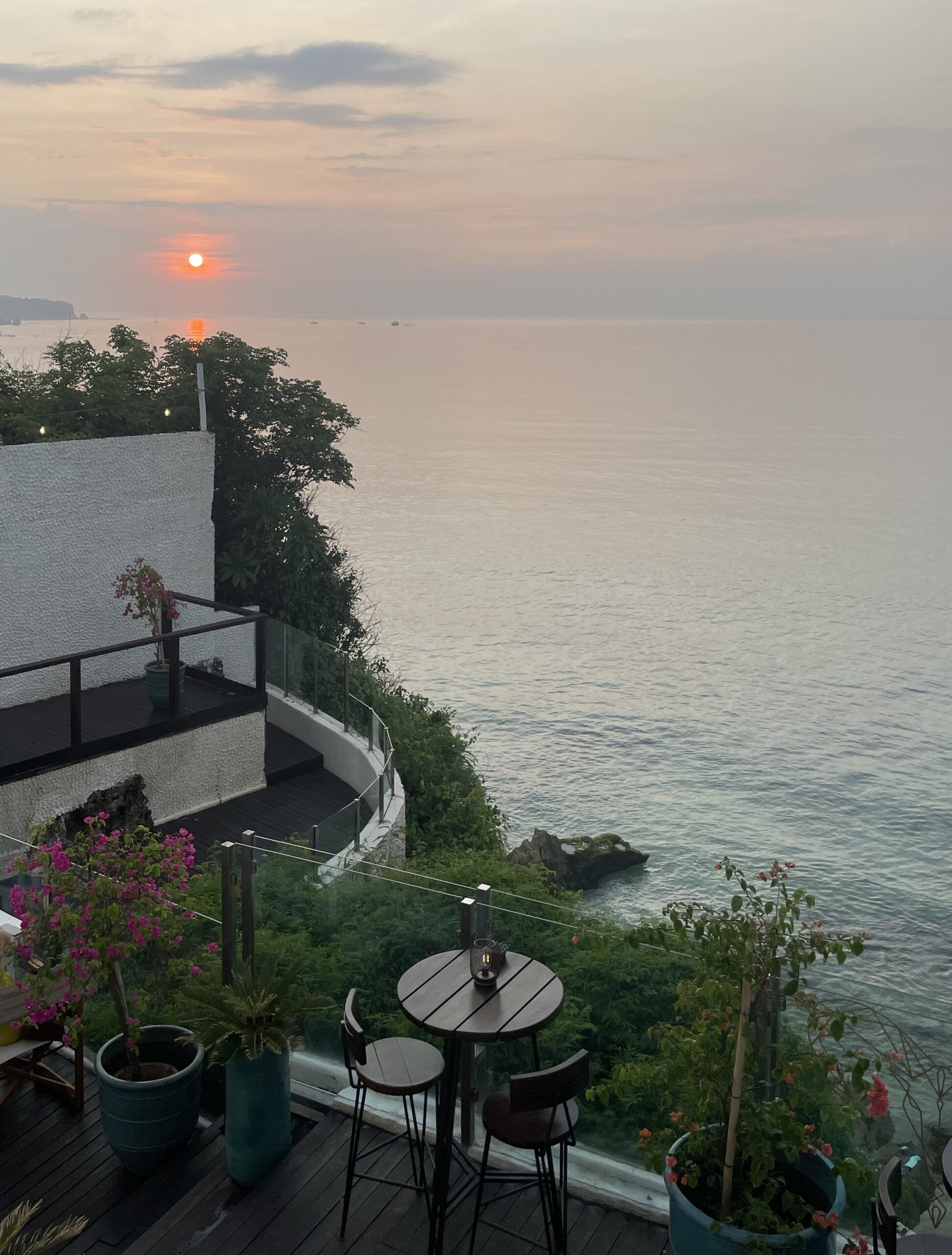
One day you’re paying $2 for nasi goreng at a warung with plastic stools and no menu. The next you’re sipping a $15 cocktail at a beach club in Uluwatu, watching the sunset from an infinity pool.
I’ve traveled through Bali more times than I can count, backpacking on a shoestring, splitting a villa with friends, and occasionally splurging on a resort stay I probably didn’t need.
What I’ve learned is simple, there’s no single answer to what Bali trip costs actually look like, because it depends entirely on how you choose to travel and where you decide to base yourself.
Whether you’re backpacking on a tight daily budget, traveling mid-range with a bit of comfort built in, or planning a full luxury escape through Ubud, Uluwatu, and beyond.
This guide breaks down exactly what to expect for everything your Bali accommodations, food, transportation, activities, and the hidden extras most people forget to account for.
From warung meals to private pool villas, you’ll get a complete picture of how much to budget, whether you’re counting every rupiah or ready to treat yourself.
How Much Does a Trip to Bali Cost Per Day?
| Category | Budget Traveler | Mid-Range | Luxury |
| Hotel | $10 – $20 (IDR 160k – 320k) | $55 – $100 (IDR 880k – 1.6m) | $250 – $500+ (IDR 4m – 8m+) |
| Food & Drink | $8 – $15 (IDR 128k – 240k) | $25 – $45 (IDR 400k – 720k) | $80 – $150+ (IDR 1.28m – 2.4m+) |
| Transportation | $5 – $10 (IDR 80k – 160k) | $12 – $25 (IDR 192k – 400k) | $40 – $70+ (IDR 640k – 1.12m+) |
| Activities | $3 – $10 (IDR 48k – 160k) | $15 – $35 (IDR 240k – 560k) | $80+ (IDR 1.28m+) |
| Daily Total | $26 – $55 (IDR 416k – 880k) | $107 – $205 (IDR 1.71m – 3.28m) | $450 – $800+ (IDR 7.2m – 12.8m+) |
Accommodation Costs in Bali
From surf hostels and family-run guesthouses to boutique villas and world-class luxury resorts, Bali’s accommodation scene genuinely has something for every type of traveler.
Where you stay and how much you spend depend heavily on which part of the island you base yourself in, since Bali doesn’t have one single “expensive area” the way some destinations do, it has several distinct pockets with their own pricing entirely.
Expect to pay around $10 to $25 USD per night for budget stays, hostels, guesthouses, and simple homestays, especially in Canggu and Ubud, where the budget scene is genuinely excellent value.
Mid-range hotels typically range from $55 to $150+ USD per night, offering private pools, boutique design, and a level of comfort that would cost significantly more elsewhere in the world.
On the luxury end, resorts in Uluwatu, Nusa Dua, and Ubud can start around $250 to $500 USD per night and climb well past $1,000+, especially at the island’s most exclusive clifftop and beachfront properties.
Prices also vary significantly depending on the area. Uluwatu and Nusa Dua tend to command the highest luxury rates, while Ubud and Canggu offer the widest range from genuinely cheap to genuinely upscale within the same neighborhood.
Sanur and inland areas like Sidemen or Amed tend to run noticeably cheaper across the board, a byproduct of being slightly further from the main tourist circuit.
Whether you’re chasing waves in Canggu or rice terraces in Ubud, Bali has accommodation options to suit every traveler and every budget.
Budget Hostels & Hotels in Bali
If you’re traveling to Bali on a tight budget, you’re in good company, the island has one of the best budget accommodation scenes in Southeast Asia, and cutting costs here rarely means sacrificing comfort.
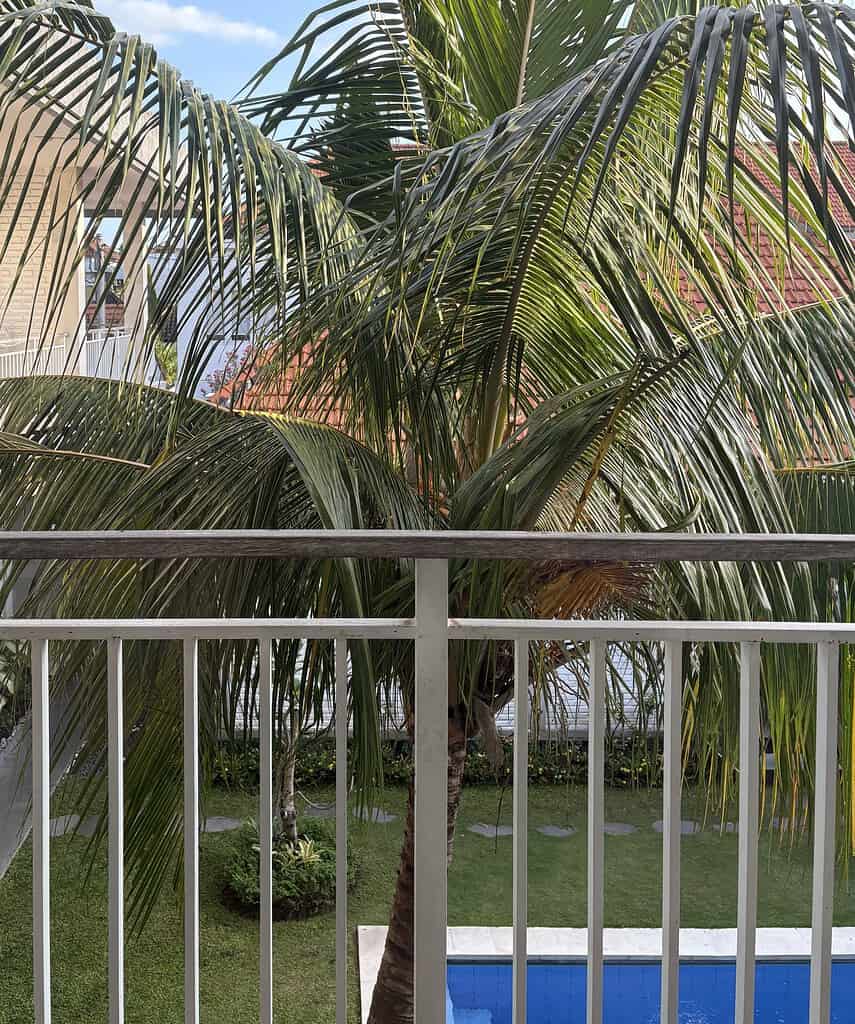
Whether you’re surfing in Canggu or exploring rice paddies in Ubud, Bali offers hostels, guesthouses, and simple homestays that are clean, social, and often come with a pool you wouldn’t expect at this price point.
- Canggu: Canggu has one of the strongest hostel scenes on the island, especially around Batu Bolong and Berawa. Try Kos One Hostel or Vasudha Hostel, both social, well-run, and popular with solo travelers and surfers.
- Seminyak: Budget options here are more limited than elsewhere, but Gracia Apartment Seminyak is a reliable, no-frills base that puts you close to the beach and nightlife without luxury pricing.
- Ubud: Ubud’s budget scene is genuinely excellent. Kajane Yangloni is one of the top-rated budget picks on the entire island, rated 8.5/10. Bali Moon Guesthouse and Bali Bohemia Huts are both strong, family-run alternatives with rice field or mountain views.
- Uluwatu: The Warm Sun Bali is the go-to budget base here, a garden pool and relaxed atmosphere that lets you explore the Bukit Peninsula by scooter without blowing your budget on accommodation.
- Sanur: Sanur’s quieter, more local atmosphere makes it one of the best-value bases on the island. Look for family-run guesthouses along the beachfront promenade for genuine hospitality at a fraction of resort prices.
Mid-Range Hotels in Bali
If you’ve got a bit more room in your budget, Bali’s mid-range hotels strike an excellent balance between comfort, design, and location, often delivering private pools and boutique styling at prices that would only get you a standard room elsewhere in the world.
Think Lumbung-style bungalows, rice terrace views, and thoughtful touches like daily breakfast, on-site restaurants, and genuinely attentive service.
This price tier is perfect for travelers who want real comfort without luxury prices, and still have plenty left over for beach club days or a private driver for day trips.
- Canggu: Mojo Resort is a standout mid-range pick, offering traditional Lumbung-style bungalows with free airport transfers, a strong choice for travelers who want Canggu’s energy with genuine comfort.
- Seminyak: The area’s boutique hotel scene is dense here, with stylish mid-range properties like Courtyard Seminyak putting you within walking distance of Seminyak’s best restaurants and bars.
- Ubud: Sri Ratih Cottages is a favorite for couples, while Yanyan Resort suits solo travelers well. Both deliver Ubud’s signature jungle or rice terrace views without luxury pricing.
- Uluwatu: Ocenna Uluwatu is a strong mid-range choice, well suited to surfers and travelers who want community and quality surf access without paying clifftop luxury prices.
- Sanur: Sanur Resort Watujimbar and THE 1O1 Bali Oasis Sanur are both well-rated 4-star options, ideal for families or business travelers wanting beachfront comfort at a mid-range price point.
Luxury Hotels in Bali
Luxury in Bali is about privacy, architecture, and a genuine connection to the island’s natural landscape, whether that’s a clifftop infinity pool in Uluwatu or a private villa tucked into the Ubud jungle.
From secluded clifftop resorts to riverside reserves, Bali’s high-end accommodations offer a level of design and hospitality that rivals or exceeds destinations charging significantly more.
- Ubud: Mandapa, A Ritz-Carlton Reserve, is one of only eight Ritz-Carlton Reserve properties in the world and consistently ranks among Bali’s absolute best. Alaya Resort Ubud is a strong alternative for couples wanting five-star comfort with a more accessible price point.
- Uluwatu: Bvlgari Resort Bali sits at the very top of the market, with one-bedroom ocean villas starting north of $1,100 a night. The Ungasan Clifftop Resort is another standout, running roughly $600 to $1,200 a night for genuinely dramatic clifftop scenery.
- Nusa Dua & Sanur: Sofitel Bali Nusa Dua Beach Resort, InterContinental Bali Sanur Resort, and The Meru Sanur all deliver genuine five-star comfort along calmer, quieter beachfront than the busier southern peninsula.
Food & Drink Costs in Bali
Bali is one of the great food destinations in Southeast Asia, and for travelers who love to eat, the range here is honestly hard to beat.
I still remember one of my first proper meals in Ubud, a plate of nasi campur from a warung with plastic chairs and no menu on the wall, that turned out to be one of the best meals of the entire trip.
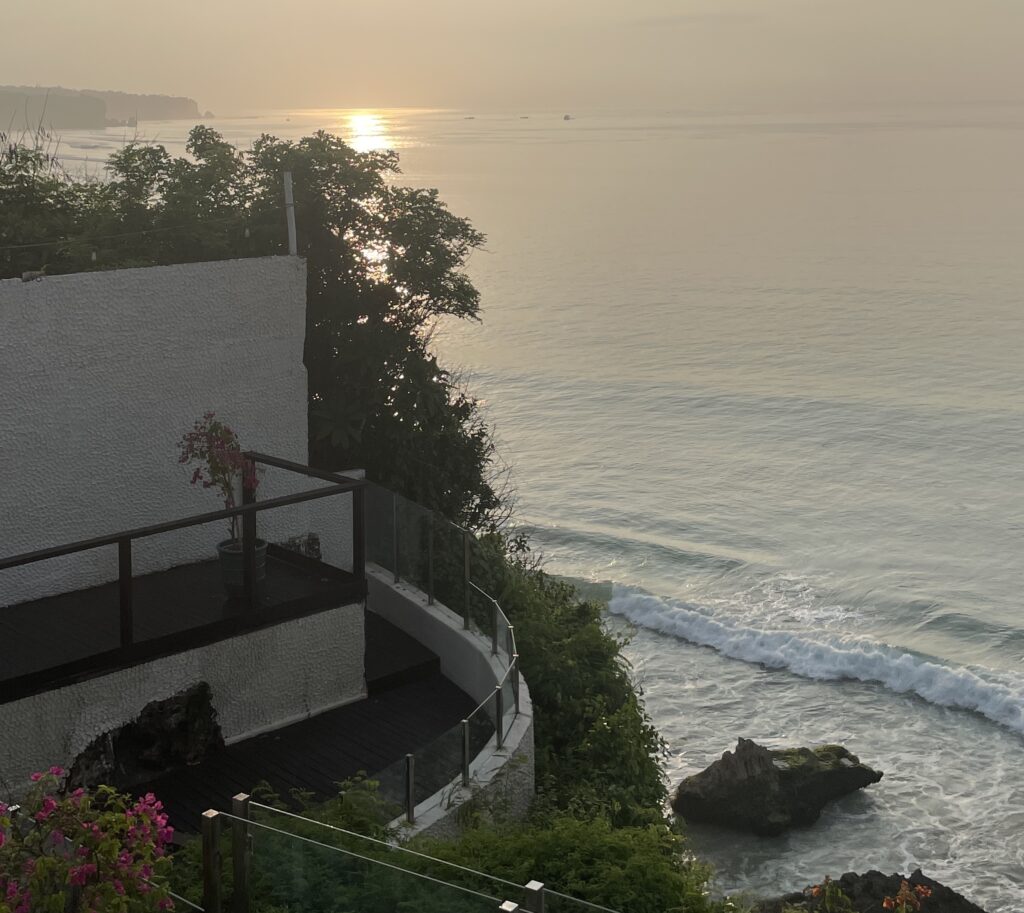
The next morning it was fresh fruit and strong Balinese coffee from a roadside stall. By evening, I was at a beach club in Uluwatu watching the sunset with a cocktail that cost more than that entire warung meal had.
What makes eating in Bali so rewarding is exactly that range, you can genuinely eat well for $2 or splurge on a tasting menu that rivals restaurants in London or Singapore.
It’s worth knowing how to avoid Bali belly when visiting too, since jumping between street stalls and warungs is half the fun, and a little know-how goes a long way toward keeping it that way.
It’s not just Indonesian food either, Bali’s dining scene has exploded in recent years, with ambitious tasting menus, farm-to-table concepts, and destination restaurants opening across Ubud, Seminyak, Canggu, and Uluwatu.
Whether it’s a quick nasi goreng from a street stall, wood-fired pizza in Canggu, or a ten-course degustation in Ubud, Bali’s food scene hits every price point and craving.
Budget Meals in Bali
Bali is increasingly known for its beach clubs and destination dining, but eating well on a tight budget here is genuinely easy, and arguably one of the best value propositions anywhere in Southeast Asia.
Warungs, small family-run local eateries, are everywhere, and a generous plate of nasi goreng, grilled fish, or tipat cantok (a vegetarian dish of vegetables in peanut sauce) typically runs IDR 25,000 to 60,000 ($1.50 to $4 USD).
It’s not unusual to eat an entire satisfying meal for less than the cost of a single espresso at a beach club.
Convenience stores like Indomaret and Alfamart are useful for cheap snacks and drinks, a bottle of Bintang beer runs around $1.50, considerably cheaper than ordering the same beer at a bar.
For something a step up without leaving budget territory, boutique cafes serving organic ingredients or a more artistic presentation run IDR 60,000 to 95,000 ($4 to $6 USD), particularly common around Ubud’s café scene.
Keep an eye out for lunch specials between 12 and 3 PM across Canggu, Ubud, and Seminyak, many trendy restaurants offer a high-end meal for the price of a regular main course during this window.
Mid-Range Restaurants in Bali
If you’re after atmosphere, quality ingredients, and a proper sit-down experience, Bali’s mid-range dining scene delivers excellent value.
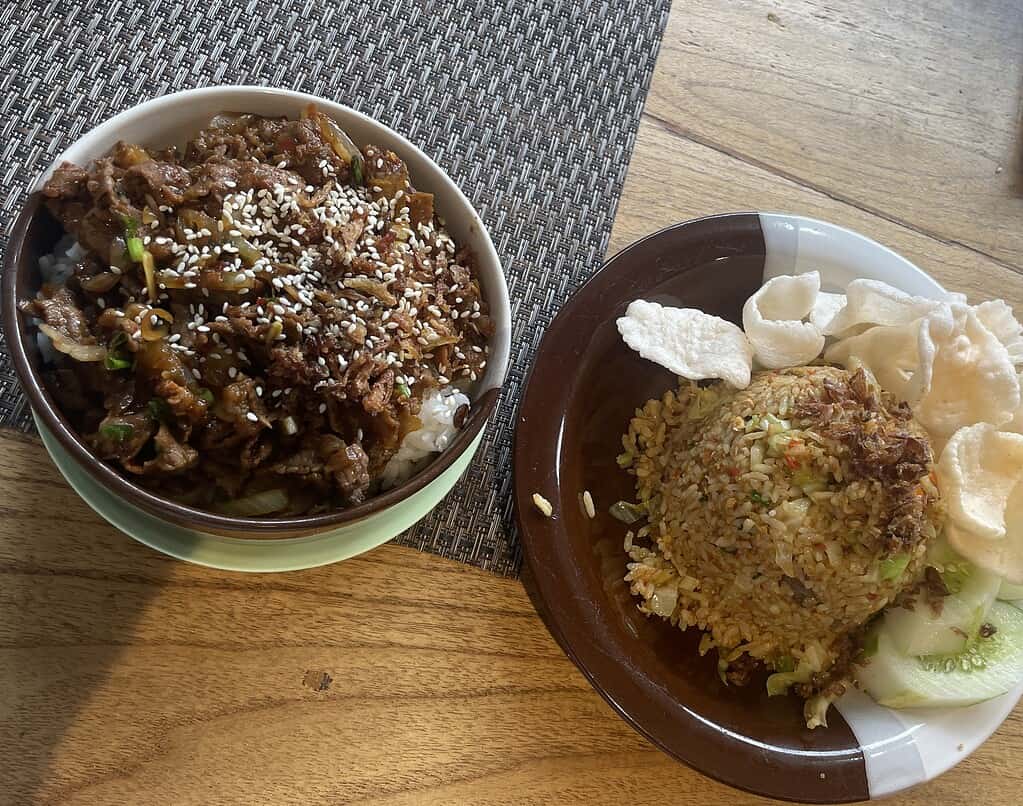
Meals generally run IDR 150,000 to 350,000 ($9 to $22 USD) per person including a drink or two, covering a wide range of comfortable, curated restaurants, often with beautiful design elements or a view over rice paddies or the ocean.
This is the sweet spot for travelers who want a genuine restaurant experience without fine-dining prices, think wood-fired pizza in Canggu, elevated Indonesian classics in Seminyak, or a casual dinner overlooking Ubud’s jungle canopy.
Imported wine by the glass typically runs $6 to $10 USD due to Indonesia’s import taxes, while a flat white or specialty coffee in Canggu or Ubud’s trendy cafes costs around $2.35 USD.
Bali also runs on a genuine happy hour culture, keep an eye out for deals between 4 and 7 PM, often buy-one-get-one cocktails or discounted beer right as the sky turns gold.
One thing worth knowing before you order: check the bottom of the menu for “Nett” versus “++” pricing. Nett means the listed price is final.
The “++” symbol means a roughly 21% service and tax charge gets added to your bill afterward, worth factoring in before you order, especially at nicer restaurants.
Luxury & Fine Dining in Bali
Luxury dining in Bali has evolved dramatically in recent years, and it’s genuinely earned a reputation as one of Asia’s more exciting fine dining destinations, with chefs who’ve left Michelin-starred kitchens in London, Singapore, and beyond to cook here full time.
Ubud is the island’s tasting-menu heartland, home to destination restaurants like Locavore NXT, famous for hyper-local, boundary-pushing degustation menus that put Bali on the international culinary map.
Seminyak holds the highest concentration of fine dining overall, while Uluwatu and Jimbaran own the clifftop sunset dining scene.
Fine dining tasting menus across the island typically run IDR 700,000 to 3,500,000 per person ($43 to $215+ USD).
On the higher end, Niko Romito’s Il Ristorante inside the Bvlgari Resort tops the island’s pricing at around $215 USD per person, while Rockfish in Uluwatu runs roughly $92 to $172 USD, and Apéritif’s ten-course degustation lands around $104 USD.
Hotel restaurants also deliver excellent high-end dining, Kayuputi at The St. Regis and Sundara at Four Seasons Jimbaran Bay are both standout choices, with mains generally running IDR 80,000 to 330,000++ ($5 to $20+ USD) depending on the dish.
Remember that “++” pricing applies heavily at this tier, a roughly 21% service and tax charge on top of the menu price, so factor that into your budget when planning a proper splurge night.

Transportation Costs in Bali
Getting around Bali comes down almost entirely to scooters, ride-hailing apps, and private drivers, there’s no train system to rely on here.
Traffic and local pickup restrictions in areas like Ubud and Uluwatu add another layer worth planning around, though even the premium options remain genuinely affordable by global standards.
Airport Transfer in Bali
Ngurah Rai International Airport (DPS) is Bali’s only real entry point, and arrivals is notorious for unauthorized freelance drivers shouting “Taxi, boss? Cheap price!” Don’t engage, they routinely quote triple the standard rate.
Grab operates an official lounge inside the airport, book through the app and your driver meets you at an assigned bay.
- Grab/Gojek to Seminyak: IDR 100,000 – 240,000 ($6 – $15 USD)
- Grab/Gojek to Canggu: IDR 150,000 – 250,000 ($9 – $15 USD)
- Grab/Gojek to Ubud: IDR 200,000 – 450,000 ($12 – $28 USD)
- Official prepaid taxi counter: fixed zoned rates, typically 20–30% higher than Grab
- Pre-booked private transfer: IDR 150,000 – 450,000 one-way, usually includes tolls and fees Grab drivers may ask you to cover separately
A pre-booked transfer with your name on a sign costs only slightly more than Grab and skips the arrivals chaos entirely, worth it for late-night landings.
Budget & Mid-Range Transportation in Bali
Scooter rental runs IDR 70,000 to 100,000 per day ($4.40 to $6.25 USD), though this technically requires an International Driving Permit.
Rock-bottom street rentals at $3 to $5 a day exist too, but often skip real insurance and are more commonly tied to pre-existing damage scams, worth paying slightly more for a reputable shop.
Grab and Gojek work well for short hops in Canggu, Seminyak, and Kuta, roughly IDR 30,000 to 50,000 ($2 to $3 USD) for a quick ride. Coverage thins out in Ubud and around Uluwatu, where local restrictions limit pickups.
A full-day private driver runs IDR 500,000 to 900,000 ($32 to $60 USD) for the whole car, not per person, and it’s exempt from those local restrictions.
Split between two or three travelers, it’s genuinely one of the best value transport options on the island. Tipping IDR 50,000 to 100,000 ($3 to $7 USD) is customary.
Luxury & Private Transportation in Bali
Bali doesn’t have a premium rail option to speak of, so luxury transportation here comes down to reliability and vehicle quality rather than speed.
A pre-booked private driver remains the top choice regardless of budget, the luxury version simply means a nicer vehicle and guaranteed availability across multiple days rather than negotiating as you go.
Many of the best luxury resorts in Bali include private airport transfers for guests as a bundled amenity.

Activity & Attraction Costs in Bali
Bali’s activities range from completely free temple visits to full-day private excursions, and most travelers end up mixing both across a trip.
Budget-Friendly Activities in Bali
Many of Bali’s best experiences cost next to nothing. Temple entry at Tanah Lot, Uluwatu, and Tirta Empul typically runs $2 to $7 USD each, with a sarong usually provided at the gate.
Tegallalang rice terrace entry is around IDR 25,000 ($1.50 USD), while the Sacred Monkey Forest runs about IDR 80,000 ($5 USD).
Uluwatu Temple combined with the evening Kecak fire dance runs $8 to $15 USD for both. Waterfalls typically charge a small village-managed entry fee, cash only, since most ticket counters don’t take cards.
Wandering Ubud’s Art Market or Sukawati Market costs nothing, and polite bargaining can bring opening prices down 30 to 50%.
Popular Tours & Attractions in Bali
Mid-range group tours cover most of Bali’s signature experiences. A Balinese cooking class, including a market visit and full meal, runs $25 to $45 USD.
A group Nusa Penida day trip with boat transport runs $40 to $70 USD per person, while the Mount Batur sunrise trek, including guide and summit breakfast, runs $35 to $70 USD.
Other staples: white water rafting on the Ayung River ($35 to $55 USD), a 2-hour ATV ride ($55 to $85 USD), and the Lempuyang Gates of Heaven combined with Besakih temple as a full-day tour ($40 to $70 USD).
Book Nusa Penida and Mount Batur in advance, both sell out fastest between June and August.
High-End & Private Experiences in Bali
Going private trades group logistics for flexibility. A private Nusa Penida day, boat, driver, and jeep included, runs $120 to $380 USD for a group of up to four, depending on the operator.
A private add-on for Mount Batur or ATV runs roughly $80 to $140 USD per person or per car.
For most travelers, a private driver customizing a full day, two temples, a rice terrace, and lunch, works out cheaper per person than booking three separate group tours, while delivering a genuinely more personal experience.
What Impacts the Cost of a Trip to Bali?
While Bali can be surprisingly affordable, your actual costs will vary based on when you visit, where you stay, and how you travel. A few factors swing your daily budget more than others.
- Travel Season: Dry season, roughly April through October, is peak demand, with July, August, and the December to January holiday window commanding the highest prices for flights, villas, and popular tours. Wet season, November through March, brings noticeably lower rates in exchange for more rain.
- Destination & Area: Uluwatu and Seminyak carry the highest price tags across accommodation and dining, while Ubud, Sanur, and inland areas like Sidemen offer significantly more value for a similar quality of experience.
- Spending Style: Bali genuinely accommodates a $2 warung meal and a $200 tasting menu on the same trip. Some travelers stick to scooters and local eats, others opt for private drivers and beach club days, your choices shape the budget more than the destination itself.
- Souvenirs & Shopping: Set aside a separate budget for your Bali Souvenirs, it can add up faster than people expect. Woodcarvings, textiles, and local coffee from Ubud’s markets can be picked up cheap, but bargaining well matters, and shipping larger pieces home is its own added cost worth planning for.
- Advance Booking: Villas and popular tours like Nusa Penida and Mount Batur sell out weeks ahead during peak season. Booking early locks in better rates and actual availability.
A few smaller costs are also easy to underestimate. Restaurant menus marked “++” add a 21% service charge and tax on top of the listed price, while beach clubs often require a minimum food and drink spend rather than charging a flat entry fee, both worth budgeting for rather than being surprised by at the bill.
Card terminals sometimes offer to charge you in your home currency instead of rupiah, always decline this, it triggers a poor exchange rate.
And if you’re renting a scooter, keep a bit of cash on hand, informal roadside stops for a missing helmet or license occasionally end with an on-the-spot cash request rather than a formal ticket.

Final Thoughts on Bali Trip Costs
All told, Bali remains one of the best value destinations in the world, and that’s true whether you’re backpacking on $30 a day or booking a private villa with a butler.
If you’ve been wondering, “Is Bali expensive to visit?” the honest answer is that it scales beautifully in both directions.
You can genuinely travel here for $30 a day and have an incredible trip, or spend $500 a day and still feel like you’re getting real value compared to what the same experience would cost in Europe, Australia, or the Maldives.
Here’s the takeaway: know where to stay, when to travel, and how you want to split your spending, and Bali delivers unforgettable experiences at every single budget level. A $2 warung meal can be just as memorable as a $150 tasting menu, sometimes more so.
Keep an eye on the small stuff too. That “++” symbol on a restaurant menu, a beach club’s minimum spend, and a card terminal quietly offering to charge you in your home currency instead of rupiah are all easy to overlook in the moment but add up across a trip.
None of it should stop you from enjoying yourself, just budget for it upfront rather than being surprised by it at checkout.
Before you book anything, it’s worth reading up on scams in Bali so you’re not caught off guard by anything beyond the pricing itself, and double checking current Bali entry requirements, since visa rules and arrival paperwork have genuinely shifted in the past year and are worth confirming close to your travel date.
Everyone’s travel style is different, and that changes everything. Use this guide as a starting point, test it against your own plans, and you’ll land somewhere that feels right for the trip you actually want to take.

How much should I budget per day for a trip to Bali?
Daily costs vary widely by travel style. Budget travelers can comfortably manage $30–$50 USD/day, mid-range travelers typically spend $100–$200 USD/day, while luxury travelers can easily spend $300 USD or more per day.
Is Bali more expensive than other Southeast Asian countries?
Bali is generally comparable to or slightly cheaper than Thailand and Vietnam for day-to-day costs, though activities and villa-style accommodation in Bali can run a bit higher. Overall, it remains one of the more affordable island destinations in the world relative to the quality on offer.
When is the cheapest time to visit Bali?
The cheapest window is typically November through March, Bali’s wet season, when flights, villas, and tours all drop noticeably in price. Just be prepared for more rain and the occasional storm passing through.
Are credit cards widely accepted in Bali?
They’re accepted at most hotels, restaurants, and larger shops, but cash is still essential outside the main tourist strips. Warungs, local markets, scooter rentals, and many smaller vendors remain cash-only, so always carry rupiah for day-to-day spending.
