
13 Reasons NYC in Winter is Better
Most people write off NYC in winter before they’ve actually experienced it, and that’s exactly why the ones who do show up in January and February have the city almost entirely to themselves.
Winter in New York City is genuinely one of the best kept secrets in travel. The crowds that make summer feel overwhelming are gone.
The hotel prices that make December feel punishing have dropped. The restaurants you couldn’t get into in October are suddenly taking reservations.
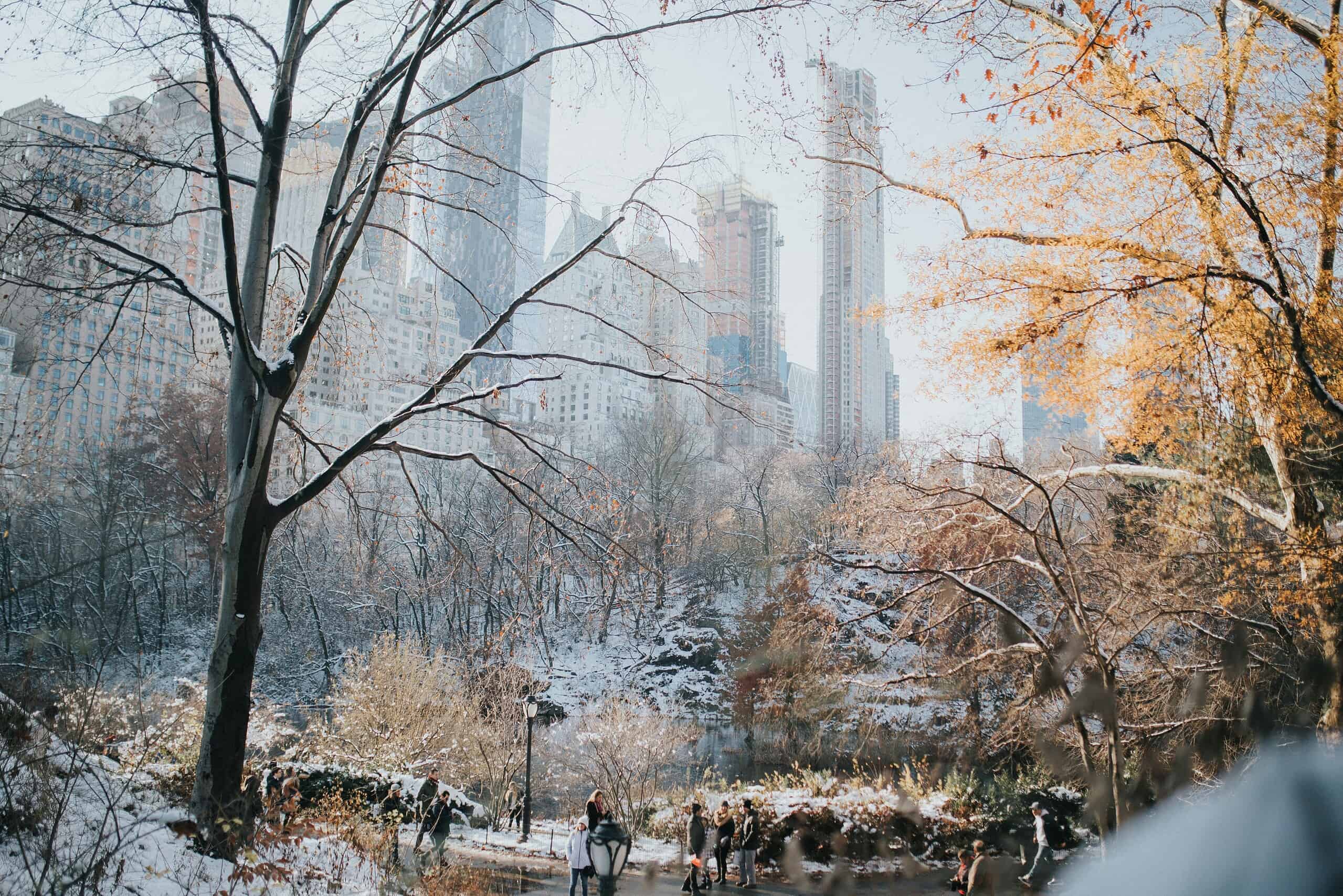
And the city itself, steam rising from street grates, bare trees lining Central Park, the skyline lit up against a cold dark sky, looks exactly like every version of New York you’ve ever seen in a film.
If you’ve been on the fence about a winter visit, this is the article that’ll push you over it.
The Crowds Are Dramatically Smaller
This is the single most underrated benefit of visiting New York in winter and the one that transforms almost every other experience on this list.
Summer in New York means fighting through Times Square at a standstill, queuing for 45 minutes at popular attractions, and navigating sidewalks so packed that walking a single block takes twice as long as it should.
The Statue of Liberty ferry books out days in advance. Central Park feels like a festival rather than a park. Even the subway platforms feel claustrophobic.
Winter flips this entirely. The streets are navigable. Museum entrances don’t have queues stretching around the block.
Popular restaurants that require weeks of advance booking in October have availability for Thursday dinner.
The High Line is walkable without shoulder-to-shoulder crowds. The Brooklyn Bridge pedestrian path has space to actually stop, look, and photograph without twenty people behind you sighing impatiently.
New York in winter gives you the city rather than the crowd. That difference shapes every single day of the trip.
Hotel Prices Drop Significantly After the Holidays

December in New York is expensive, peak holiday season pricing pushes hotel rates to their annual high across Manhattan. The moment the calendar flips to January, that changes dramatically.
Hotels that charge $300-400 per night during Christmas week drop to $150-220 in January and February. The same Midtown property, the same room, the same location, at roughly half the price.
Outer borough hotels in Long Island City and Williamsburg drop even further, making them genuinely excellent value for travelers who know how to use the subway.
This isn’t a minor discount. It’s the largest single pricing gap in New York’s hotel calendar, and it makes January and February the most financially accessible months to visit the city for most international travelers.
If budget is a real consideration, and New York’s costs make it one for most visitors, winter outside the holiday window is where the value lives.
Book two months out for the best availability and you’ll have options that simply don’t exist at peak pricing.
Broadway Is at Its Best
January and February are exceptional months for Broadway, and the combination of full production schedules and easier ticket access makes winter one of the best times of year to see a show.
The holiday season brings sold-out performances and premium pricing across most productions. January is when that pressure releases.
Productions are still running at full quality, same cast, same staging, same experience, but the competition for seats eases and pricing reflects it.
TKTS in Times Square, which sells same-day and next-day tickets at 20-50% off face value, has significantly better selection in January than during peak season when popular shows sell out before the booth even opens.
Rush ticket programs through TodayTix and direct box offices offer the same discounted access they do year-round.
The winter lineup also tends to be strong, awards season buzz generates interest in specific productions, and the energy inside a Broadway theater on a cold January evening, coat-check line and all, is a specifically New York experience worth having.
Museum Lines Are Actually Manageable
New York’s museums are world-class and year-round, but summer and peak season turn the experience into a logistical exercise rather than a cultural one. Lines at the Metropolitan Museum of Art stretch around the building on weekend mornings.
MoMA’s galleries fill to a density that makes contemplating a single painting difficult. Even smaller museums feel crowded relative to what they were designed to handle.
Winter changes this completely. The Met in January is spacious enough to actually experience.
You can stand in front of a painting for ten minutes without anyone needing to move past you. Gallery rooms that feel impossible to navigate in July have room to breathe in February.
The same institutions, the same collections, the same extraordinary art, but at a pace and with a space that actually allows you to absorb what you’re looking at.
For serious museum visitors, January and February in New York are genuinely the optimal months to visit regardless of any other factor. The crowds alone justify timing a trip around them.
The Shopping Sales Are Incredible
New York’s post-holiday retail sales are some of the best in the world, and January is when Manhattan’s shopping landscape becomes genuinely extraordinary value for visitors who time their trip around it.
Department stores along Fifth Avenue, Saks, Bloomingdale’s, Bergdorf Goodman, run post-Christmas clearance sales that bring high-end items to prices that don’t exist at any other point in the year. SoHo’s boutiques follow the same pattern.
The Strand bookstore’s already reasonable prices get supplemented by sale sections that make gift shopping feel almost unreasonably affordable.
Century 21, New York’s famous discount department store, is worth visiting in January specifically because post-holiday inventory turnover brings exceptional items into the discount rotation.
For visitors who plan to shop in New York regardless of timing, January simply offers more for the same dollar than any other month. The city’s retail landscape essentially rewards the traveler who shows up in the weeks immediately after the holiday rush ends.
Central Park Is Stunning in Winter
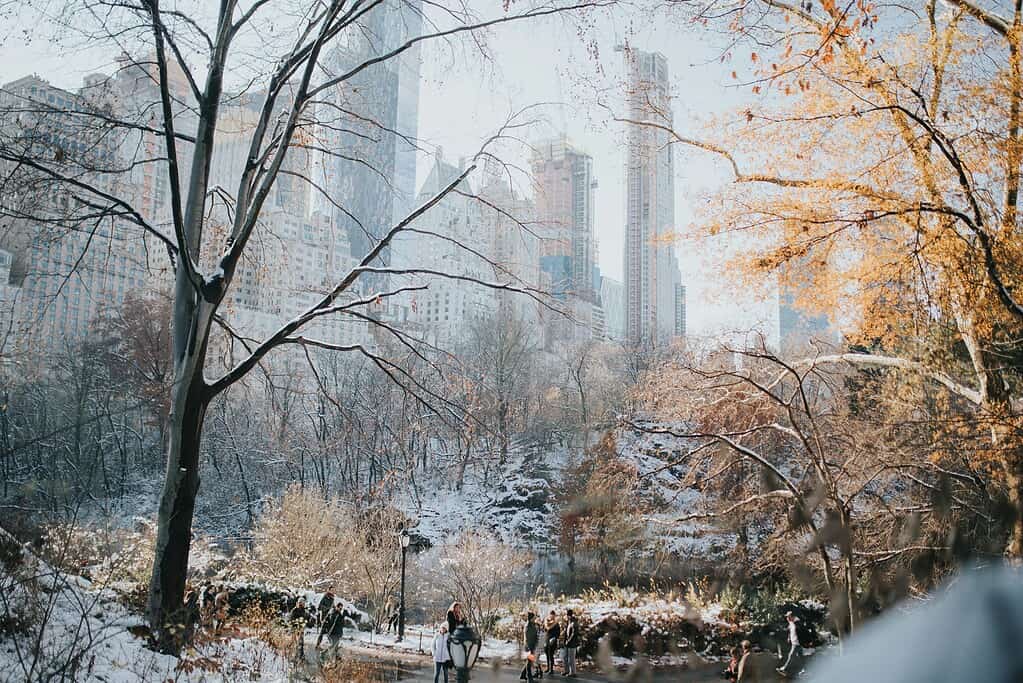
Central Park in summer is beautiful and Central Park in autumn is spectacular. Central Park in winter is something else entirely, quieter, more intimate, and in specific conditions, genuinely extraordinary.
The bare trees create sight lines through the park that don’t exist when the leaves are full, views of the surrounding Manhattan skyline visible from inside the park in ways that summer obscures completely.
The Reservoir on a cold clear morning with frost on the surrounding path. The Bethesda Fountain with no crowd around it.
Sheep Meadow without the picnic blankets and frisbees, reduced to a vast open field of grass or snow depending on the weather.
When it snows, and it does snow in New York, though not reliably or predictably, Central Park becomes one of the most beautiful urban landscapes in the world.
Snow on the Bow Bridge. Snow on the Bethesda Terrace. Fresh snow on the walking paths before the morning runners arrive.
Go early. Dress properly. The park in winter rewards the visitor who shows up when everyone else stays inside.
The City’s Energy Shifts Into Something Different
New York in summer operates at maximum intensity, loud, crowded, fast, relentless. It’s exhilarating and also genuinely exhausting after several days.
Winter brings a different version of that energy. The pace doesn’t slow, New York never slows, but it shifts into something more intentional.
People are moving with purpose through the cold rather than meandering through the heat.
Neighborhoods feel more local. The tourist presence that defines summer thins out enough that the city starts to feel like a place people actually live rather than a destination people are visiting.
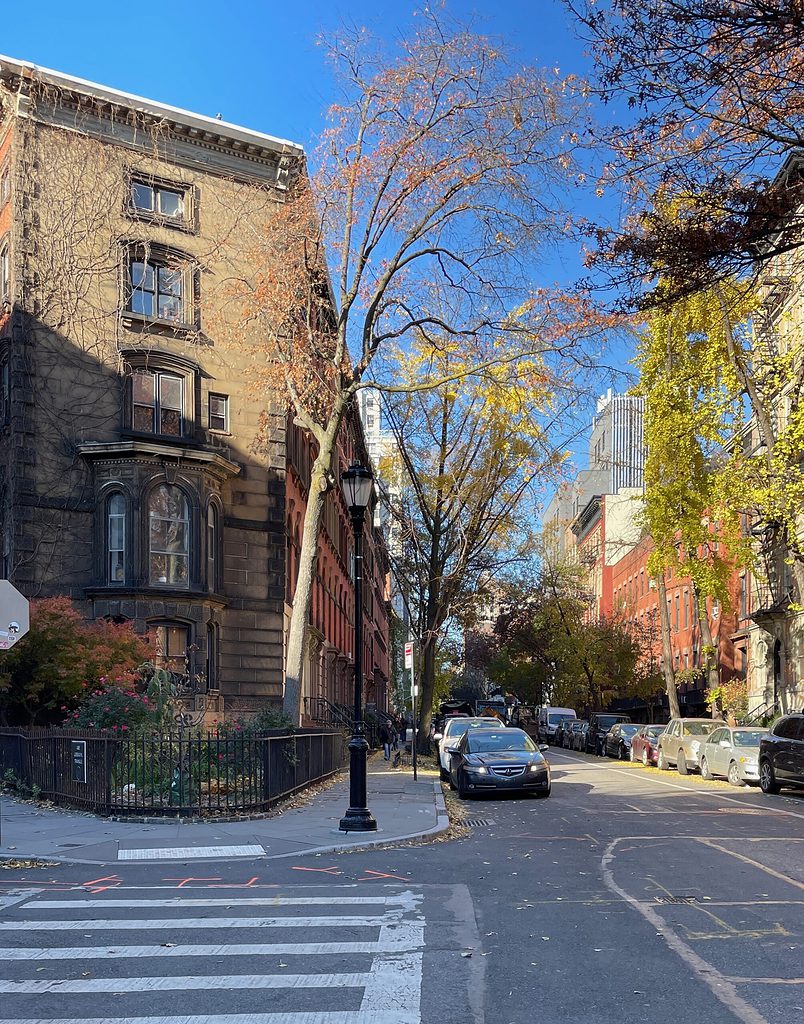
This is when New York’s neighborhood character becomes most apparent. The West Village in January feels like a neighborhood. The coffee shops are full of people with laptops and books rather than visitors consulting Google Maps.
The bars have regulars. The restaurants have tables available because the locals who fill them aren’t competing with a summer tourist surge.
This version of New York, quieter, more local, more itself, is genuinely worth seeking out.
Ice Skating Rinks Are Everywhere

Ice skating in New York in winter is one of those experiences that delivers completely on its promise, and the city does it better than almost anywhere else.
The Rockefeller Center rink is the most famous, small, surrounded by the flags of all nations, overlooked by 30 Rock, and in December by the Christmas tree.
It’s iconic and genuinely beautiful. The Wollman Rink in Central Park is larger and less crowded, set inside the park with the Manhattan skyline visible above the southern tree line.
Bryant Park’s rink is free to skate if you bring your own skates and surrounded by the Winter Village market through early March.
None of these experiences exist outside the winter window. They’re specifically cold-weather pleasures that reward the visitor who shows up when the temperature drops.
Skating at Wollman Rink on a clear winter afternoon with the skyline behind you is one of those New York moments that photographs well and feels even better in person.
The Restaurant Scene Opens Up
New York’s best restaurants are notoriously difficult to get into during peak season. The combination of tourist volume and local demand creates reservation waitlists that extend weeks or months for the most sought-after tables.
Winter changes this. The reduction in tourist volume in January and February means restaurants that seemed impossible to book suddenly have availability.
The same kitchen, the same chef, the same menu, but a table available for Saturday dinner with a week’s notice rather than a month’s.
This applies across every category. The downtown Italian restaurant that requires booking six weeks out in October takes a reservation for next Thursday in January.
The tasting menu destination with a three-month waitlist in summer has openings in February. The neighborhood spots that were always full ease into a winter rhythm where walk-ins become possible again.
For food-focused visitors, winter is when New York’s restaurant scene becomes fully accessible rather than aspirational.
The Cosy Evening Atmosphere Is Unmatched
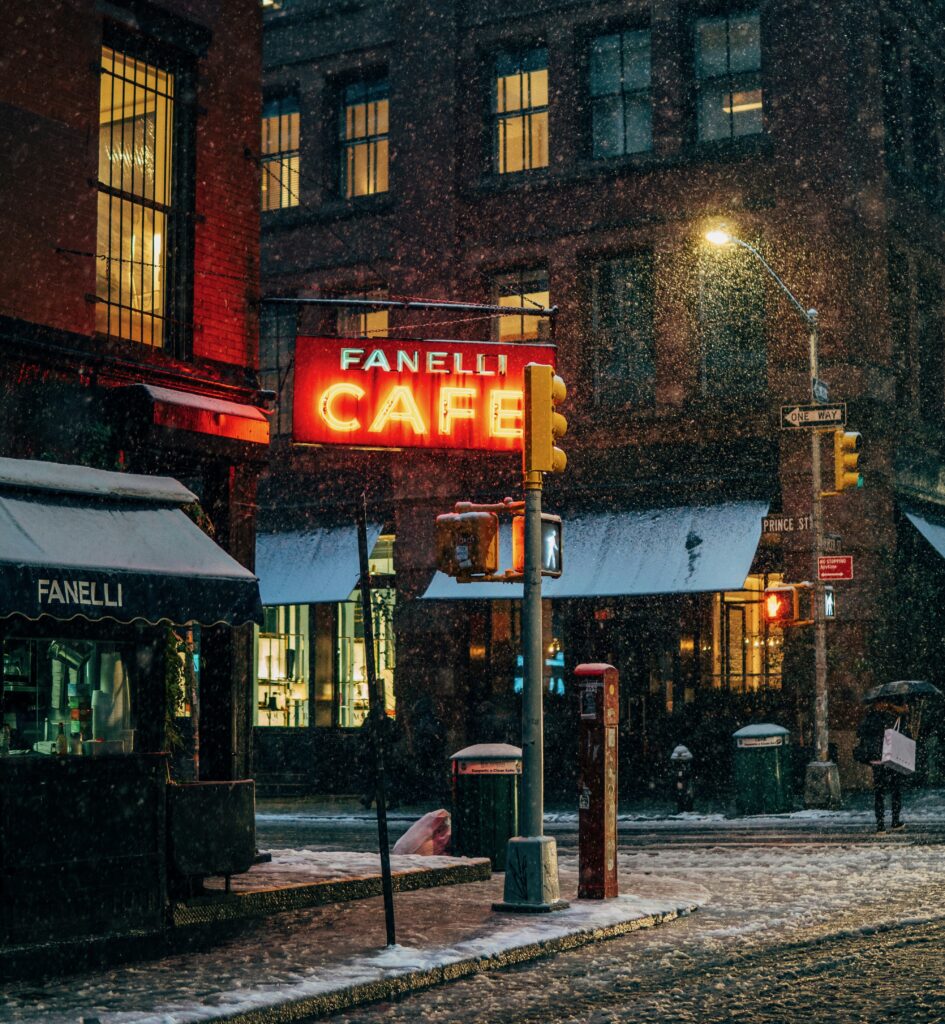
There is a specific kind of New York evening that only exists in winter, and it’s one of the best versions of the city.
A jazz bar in the West Village at 10 p.m. with a glass of something warm and the sound of a live set filtering through a room that’s been doing this since before you were born.
A dimly lit rooftop bar with heat lamps and blankets and the Manhattan skyline spread out in every direction under a cold clear sky.
A window table at a neighborhood restaurant where the steam from the food and the condensation on the glass and the view of the wet street outside create an atmosphere that summer’s open doors and sidewalk tables simply cannot replicate.
New York in winter has a coziness that its summer reputation doesn’t prepare you for.
The city that never sleeps has a particularly good version of itself after dark in January, warmer inside, quieter outside, and more willing to let you stay at a table for a third glass than it is when the summer rush needs the seat.
The Christmas and Holiday Decorations Are Extraordinary

This one comes with a timing caveat: the holiday decorations are specific to late November through early January, not the full winter season.
But if your dates overlap with this window, and for many winter visitors they do, New York at Christmas is one of the most spectacular urban experiences available anywhere in the world.
The Rockefeller Center Christmas Tree lighting happens on the first Wednesday of December and officially marks the city’s holiday season.
From that moment through early January, New York is dressed for the occasion in a way that extends to every neighborhood and every storefront.
The Fifth Avenue window displays at Saks, Bergdorf Goodman, and Bloomingdale’s. The Bryant Park Winter Village market. The Dyker Heights light displays in Brooklyn.
The decorated brownstone streets of the West Village. The specific energy of a city that takes Christmas seriously and shows it everywhere you look.
If your winter visit falls within this window, the decorations alone justify the timing.
NYC Restaurant Week Falls in January
Restaurant Week is one of New York’s most anticipated annual food events and it falls squarely in the winter calendar, typically running through January and into early February.
Hundreds of participating restaurants across the city offer prix-fixe lunch and dinner menus at fixed prices that represent significant savings compared to their regular à la carte pricing.
A restaurant charging $80-100 per person at a normal dinner offers a three-course Restaurant Week menu for $45-60.
The same kitchen, the same quality, the same experience, at a price that makes genuinely excellent New York dining accessible to a much wider range of budgets.
The participating restaurant list covers every cuisine and neighborhood in the city. Midtown institutions, downtown favorites, outer borough destinations that locals specifically wait for Restaurant Week to visit, all of them participate in a way that turns January into one of the best months of the year for eating well in New York.
Check the NYC Restaurant Week website before your trip for the current participating list and book early, popular restaurants fill their Restaurant Week slots quickly even in the slower winter season.
The City Looks Like Every Movie You’ve Ever Seen
New York in winter is the cinematic version of the city, the one that filmmakers keep returning to because nothing else in the world looks quite like it.
Elf. Home Alone 2. When Harry Met Sally. Enchanted. Vanilla Sky. Countless films have used winter New York as their backdrop not because it’s convenient but because the city in cold weather produces images that are genuinely extraordinary.
Steam rising from street grates against the backdrop of lit skyscrapers. Snow on Central Park.
The Rockefeller Center tree reflected in the ice of the rink below. The Brooklyn Bridge on a cold clear morning with the Manhattan skyline sharp and bright behind it.
These images exist because winter New York actually looks like this. Walking down Fifth Avenue on a December evening with the department store windows lit and the cold air carrying the smell of roasted chestnuts from street carts is one of those moments where reality matches the fantasy more completely than almost any other travel experience offers.
You’ll turn a corner and recognize the street. You’ll stand at a viewpoint and realize you’ve seen this exact image in a hundred different films.
Winter New York is the movie version of the city, and for a few months every year, you can walk around inside it.

Tips for Visiting New York City in Winter
Winter in New York is extraordinary but it requires a little more preparation than a summer visit. A few practical things that’ll make the experience significantly better:
- Book restaurant reservations before you leave home — even in quieter winter months the best spots fill up. Restaurant Week in January books out fast. Don’t assume you’ll figure it out when you arrive.
- Dress in proper layers — a base layer, a mid layer, and a windproof outer layer covers everything New York winter throws at you. A hat that covers your ears and gloves are non-negotiable. The wind between Midtown buildings is aggressive.
- Plan your day before leaving the hotel — wandering in summer is pleasant. Wandering in winter without a destination means standing on a cold corner debating where to go. Know your first stop, your lunch plan, and your afternoon before you walk out the door.
- Plan your day before leaving the hotel — wandering in summer is pleasant. Wandering in winter without a destination means standing on a cold corner debating where to go. Know your first stop, your lunch plan, and your afternoon before you walk out the door.
- Use the subway for everything — it’s heated, it’s fast, and it eliminates the cold. Waiting for a cab or a rideshare on a January street when a subway stop is two minutes away is an avoidable discomfort.
- Build indoor stops into your day — museum visits, a café break, a bookstore browse. Having warm destinations spaced throughout the day makes the cold outdoor sections between them much more manageable.

Final Thoughts on NYC in Winter
New York in winter is not a consolation prize for travelers who couldn’t make summer work.
It’s a genuinely different and in many ways superior version of the city, quieter, more affordable, more accessible, and wrapped in an atmosphere that the warmer months simply can’t replicate.
The crowds are gone. The prices are reasonable. The restaurants are available. The museums are spacious.
And on a clear cold evening with the city lit up around you and steam rising from the street and a jazz bar playing somewhere nearby, you’ll understand exactly why the people who discover winter New York keep coming back for it.
Pack properly. Book ahead. Go in January or February with open expectations. New York will take care of the rest.
Is NYC worth visiting in winter?
Absolutely. Smaller crowds, lower hotel prices, easier restaurant reservations, and a cinematic atmosphere that summer can’t match make winter one of the most underrated times to visit New York.
What is the cheapest month to visit NYC?
January and February consistently offer the lowest hotel rates of the year following the holiday season spike. Combined with Restaurant Week deals and post-holiday retail sales, these two months represent the best overall value in the New York travel calendar.
Does it snow in NYC in winter?
Yes, though not reliably. Snow is possible from December through March with January and February carrying the highest probability.
When it snows Central Park and the surrounding city become genuinely spectacular. Pack waterproof boots regardless.
What should I wear in NYC in winter?
Proper layering is essential: a thermal base layer, a mid layer, and a windproof waterproof outer coat. Add a hat that covers your ears, gloves, a scarf, and waterproof boots.
The wind between Midtown buildings makes temperatures feel significantly colder than the forecast suggests.
