
What to Pack for Mexico: 19 Things to Consider
Figuring out what to pack for Mexico is different from packing for a standard beach holiday. Between hot afternoons, sudden downpours, cenotes, ancient ruins, and beach clubs, the Riviera Maya asks a lot from your suitcase.
This packing guide for Mexico focuses on the Riviera Maya, from Cancun and Playa del Carmen down to Akumal and Tulum.
I kept the list practical, so every item earns its space and nothing is there just to fill a checklist.
I split it into clothing, important items, and a few nice-to-haves, so you can use it as your packing list for Mexico and tick things off as you go.
Whether you want to know what to pack for Cancun or what to pack for the Riviera Maya as a whole, everything is below.
Before you fly, check your entry requirements and keep your documents easy to reach. Now let’s get your bag sorted.
Hat and Sunglasses
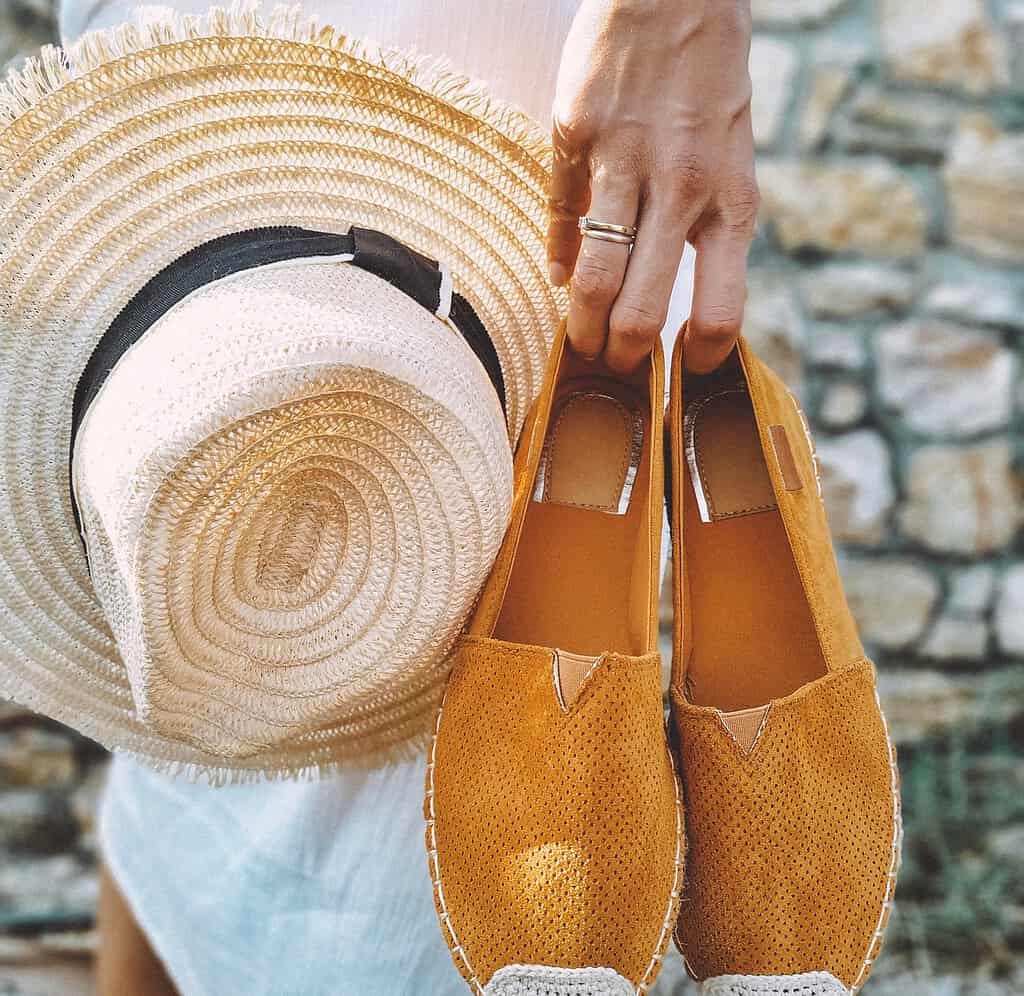
A wide-brimmed hat or cap keeps the sun off your face, ears, and neck, which are the spots people forget until they hurt.
Pick one that is breathable and stays on in a breeze. A hat you can crush into your daypack is ideal, since it takes up no space when the clouds roll in.
Sunglasses with UV protection are just as important. The glare off white sand and turquoise water is intense, and polarized lenses make a big difference when you are on a boat or at the beach.
Bring a strap or a case for your sunglasses. They tend to slip off during swimming and snorkeling, and a good pair does not feel cheap to lose.

Lightweight, Breathable Clothing
The heat and humidity on the Riviera Maya are no joke, so this is where most of your suitcase space should go.
Pack loose cotton, linen, and quick-drying fabrics that let air move. Think tank tops, tees, shorts, and a couple of flowy dresses.
Light colors reflect the sun better, and loose cuts stay comfortable on long, sweaty days. You do not need an outfit for every day.
About half the number of days is plenty, since laundry is cheap and easy to find. Choose a few pieces you can wear twice, like a linen shirt or a dark pair of shorts, since light fabrics air out easily.
Add one light long-sleeve layer as well. Air conditioning in restaurants, buses, and resorts can feel surprisingly cold after hours in the sun.
Swimwear and a Cover-Up
Pack at least two swimsuits. Between the beach, cenotes, pool days, and boat trips, you will rarely have time for one to dry completely, and a damp swimsuit is nobody’s favorite thing to put on.
Choose styles that stay put when you swim, since you will be climbing out of cenotes and stepping off boats.
A cover-up is just as useful as the swimsuit itself. It lets you walk from the beach to lunch without changing, and it works as a light layer for sun-heavy days on the water.
If you plan to visit a beach club, bring something a little nicer than a ratty towel wrap.
A simple linen shirt or a lightweight dress over your swimwear does the job and looks put together.
Comfortable Walking Shoes or Sandals
You will walk more than you expect. Cobblestone streets, uneven ruins, and long beach strolls add up quickly, and a day wandering Fifth Avenue, which is a highlight of any Playa del Carmen itinerary, can easily rack up several miles.
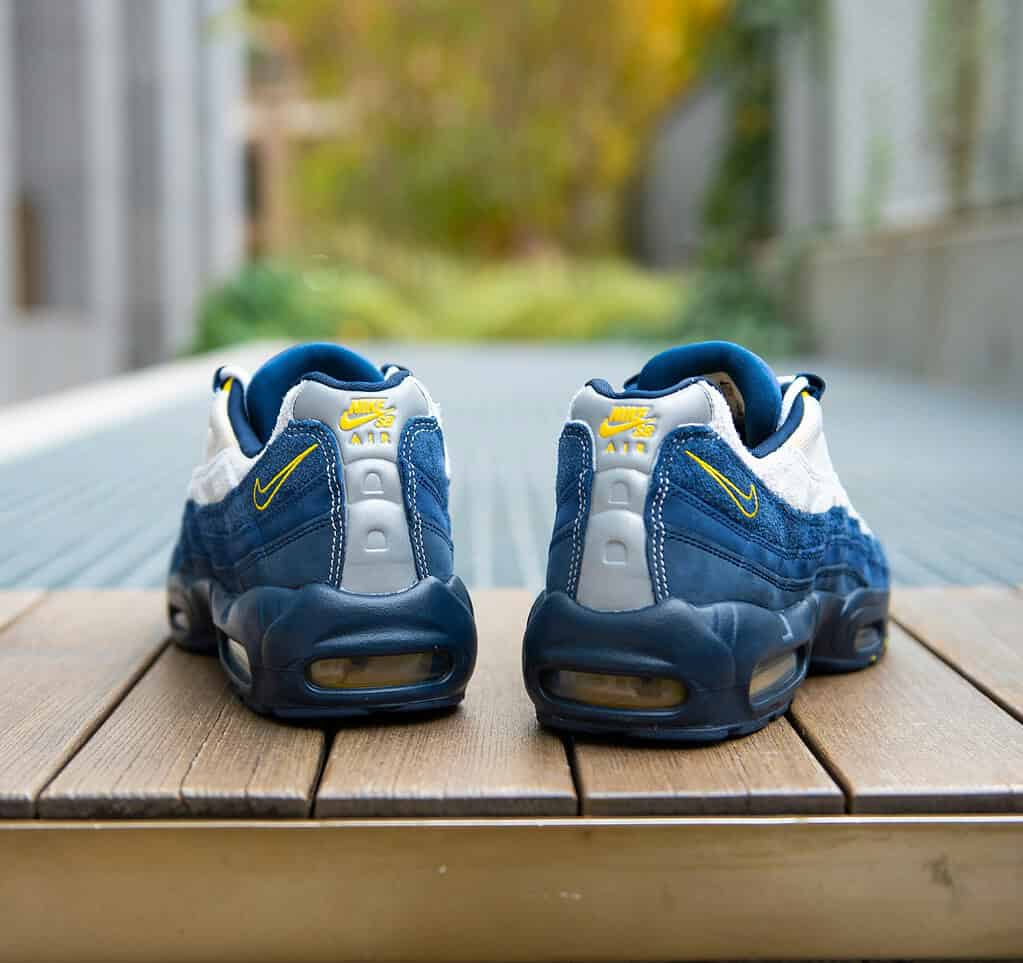
Bring one pair of closed, comfortable walking shoes for ruins and day trips, and one pair of sturdy sandals for everything else.
Break them in before you leave, because blisters on day one can follow you all week.
Pack moisture-wicking socks too, since humidity and long days on your feet are a rough combination.
Flip-flops are fine for the beach and the pool, but I would not rely on them for anything involving stairs or uneven stone.
Water Shoes for Cenotes
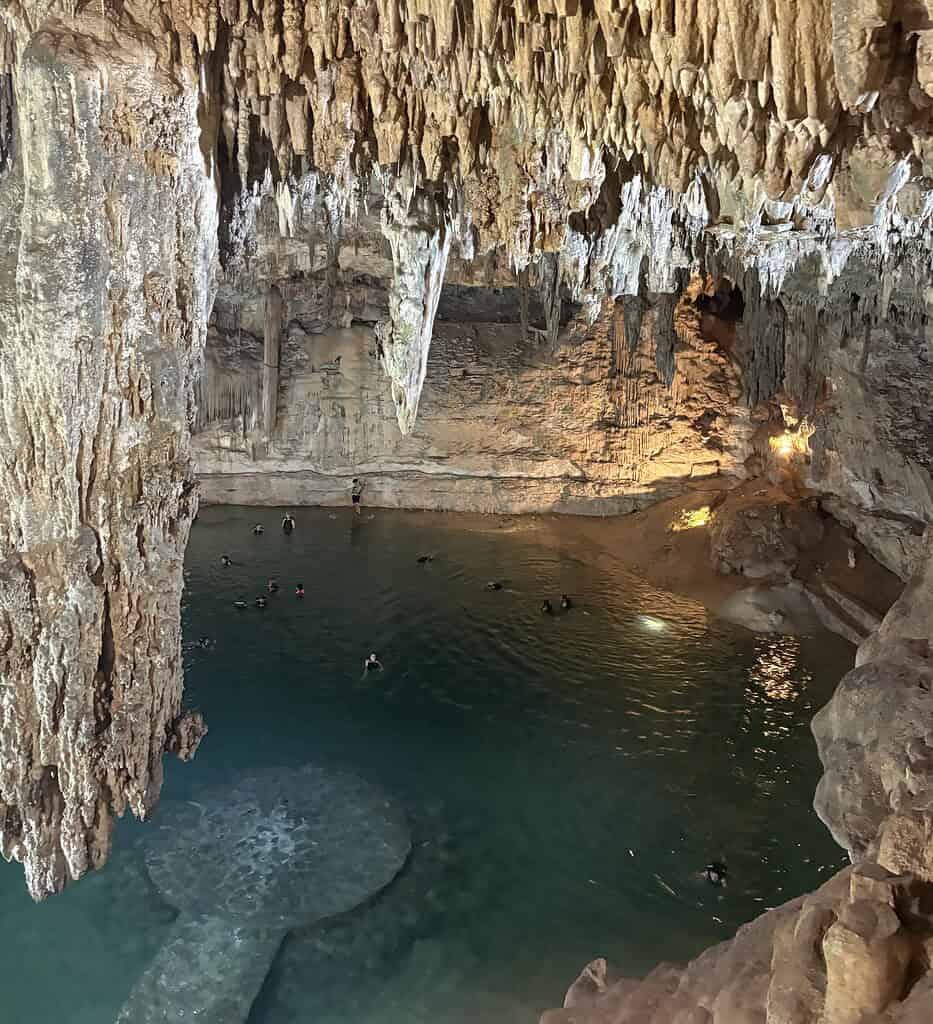
This one surprises people, but it is worth the space. Many cenotes have rocky, slippery entry points, and the limestone can be hard on bare feet.
Water shoes give you grip and protection, especially on stairs and wet platforms. Some cenotes also require life jackets, so you will be juggling a bit of gear, and secure footing makes it all easier.
They also help on rocky stretches of coastline and on boat days, when you may step onto uneven surfaces. A cheap, lightweight pair is all you need, and they dry quickly.
If you have a pair of old sandals with a good strap, those can work too. Just avoid anything that slides off easily, since you will be climbing in and out of the water more than once.
One Smarter Outfit for Dinners and Beach Clubs
Most of your trip will be casual, but one nicer outfit is worth packing. Some of the best resorts in Cancun have à la carte restaurants where a smarter look is appreciated, and some ask for long pants and closed shoes.
Beach clubs and nicer dinners in Playa del Carmen and Tulum also call for something a step above flip-flops and shorts. A linen shirt and chinos, or a simple dress, covers it.
Choose something wrinkle-resistant and breathable. You will be wearing it in the heat, so comfort matters just as much as looking good.
Pack a pair of closed shoes or nice sandals to go with it, so you are not stuck in flip-flops when the dress code says otherwise.
Reef-Safe Sunscreen (Plus a Sun Shirt)
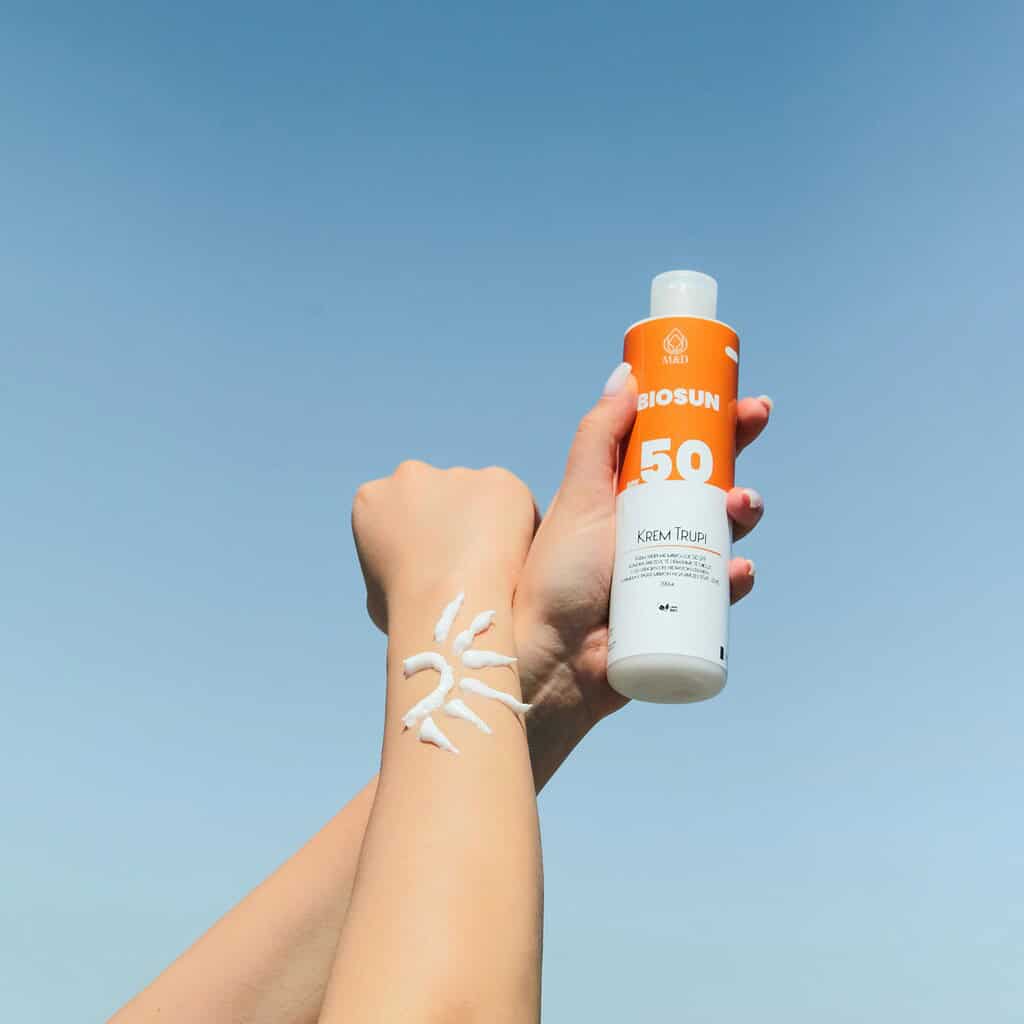
Sunscreen is the most important thing in your bag. The sun is intense all year, and a bad burn on day one can follow you for the whole trip.
Bring plenty. Apply it before you leave the room, reapply after swimming and every couple of hours, and do not forget your ears, feet, and the part in your hair.
Rules around sunscreen are tightening across the region. Some protected areas ban it entirely, and others ask for biodegradable formulas.
Keep in mind that “reef safe” is a marketing term, not a certified standard, so check each site’s policy.
The easiest fix is a UPF sun shirt or rash guard. It covers your skin without any product, and it works in cenotes and on the reef where sunscreen rules apply.
Insect Repellent
Mosquitoes are part of the deal near jungle, mangroves, and cenotes, especially around dawn and dusk. They can also carry illnesses like dengue, so repellent is worth taking seriously.
Choose a repellent you trust and pack a small bottle in your daypack. Apply it after you have finished any swimming, because many cenotes ask visitors to skip repellent and lotions before getting in the water.
Light long sleeves and pants in the evening help too, particularly in Tulum and the areas around the ruins and jungle.
Reapply during the day as well, since sweating and swimming wear repellent off faster than the label suggests.
Power Bank
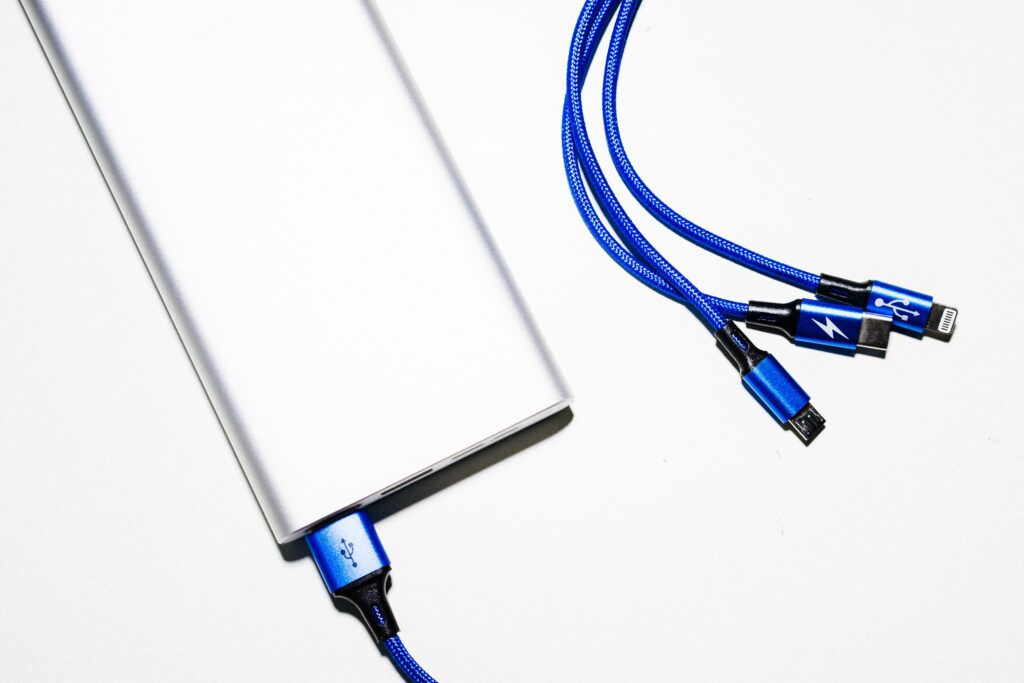
Your phone will do a lot of work on this trip. Maps, photos, tickets, translation, and ride bookings drain the battery quickly, especially in the heat. A power bank keeps you from being stranded halfway through a long day trip.
I would pick one with at least 10,000mAh, enough for a couple of full charges. Remember to pack the charging cable as well, and keep both in your daypack.
Charge it every night along with your phone, and keep it in your carry-on, since airlines do not allow lithium batteries in checked bags.
Mexico uses the same plugs as the US and Canada, so most North American travelers will not need an adapter. Visitors from elsewhere should bring a universal one.
Small Travel Umbrella
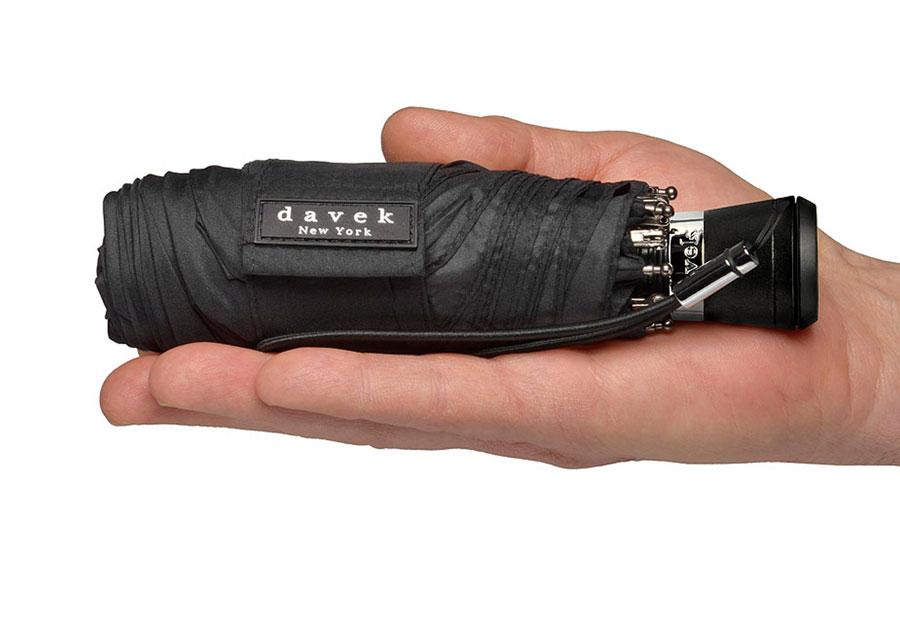
Afternoon showers in the Riviera Maya are quick but heavy, and a compact umbrella is the easiest way to stay dry while you walk to lunch or wait for a taxi.
It folds down small enough to live in your daypack, so you will always have it when the sky turns gray.
It earns its space on sunny days too. Strolling through Playa del Carmen or waiting in line at the ruins can feel brutal at midday, and an umbrella gives you portable shade when there is none to be found.
Choose a sturdy compact model with a wind-resistant frame, since cheap ones tend to flip inside out in coastal gusts. A lightweight one weighs almost nothing and does two jobs.
Pesos, Small Bills, and a Backup Card
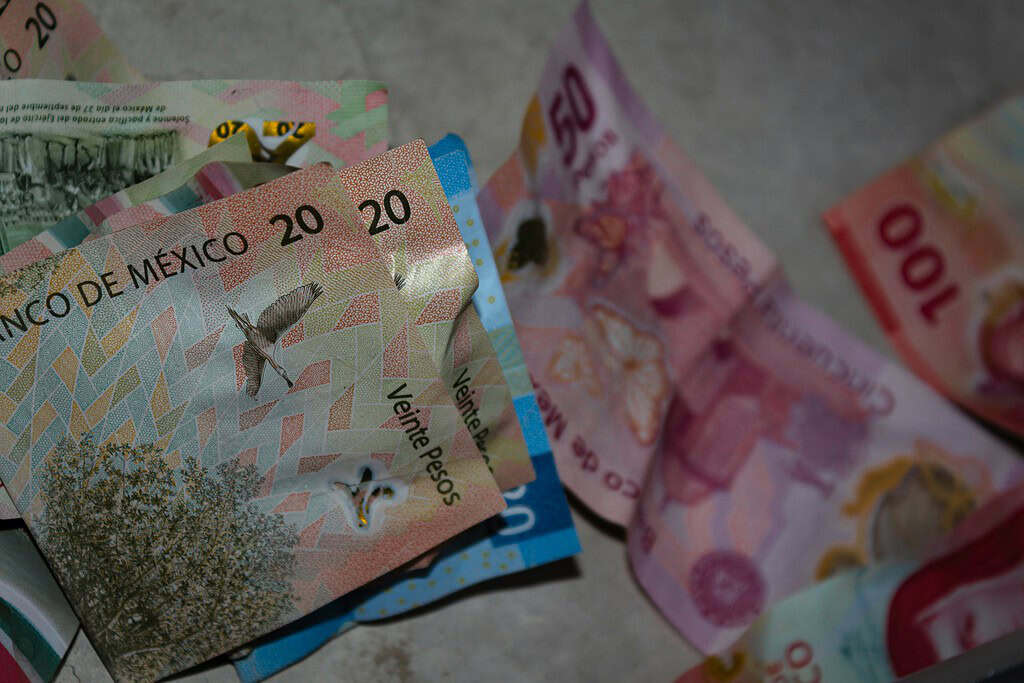
Cards work at most resorts and many restaurants, but cash still matters. Smaller taquerias, markets, tolls, cenote entrances, and tips often need pesos, and having small bills makes it harder for a quick change swap to catch you out, one of the scams in Mexico I always warn travelers about.
Take cash from ATMs inside banks and choose to be charged in pesos if the machine asks.
Keep your cash split across a couple of places, and leave the rest in the hotel safe. Small notes also make tipping easier, since many service workers count on cash tips and rarely have change for large bills.
Bring a backup card too, and store it in a different bag from your main one. A lost or locked card is a much bigger problem than any fee.
Travel Insurance
Insurance is not the fun part of packing, but it is one of the most important. Medical care for travelers can be expensive, and hurricane season can bring cancellations and delays that cost you money.
Check what your credit card already covers before buying a policy, because the benefits vary and many do not include medical care. A provider like SafetyWing offers travel medical coverage for short and long trips.
Read the fine print for exclusions, activity limits, and pre-existing conditions. Save your policy number and the insurer’s emergency contact on your phone in case you lose signal.
Buy it soon after you book, since some policies only cover storm-related cancellations if you purchase early.
A Reusable Water Bottle
Tap water in Mexico is not safe to drink, so a bottle you can refill from purified water jugs or filtered stations saves you from buying plastic bottles all day.
Many resorts and hotels have refill points. Clip it to your daypack or keep it in a side pocket, so it stays within reach all day.
Choose an insulated bottle if you can. Cold water in the middle of a hot afternoon is worth a lot, and it keeps for hours in the heat.
A bottle also reminds you to drink more often. Dehydration sneaks up quickly in this climate, especially if you are enjoying a few cocktails by the pool.
Dry Bag or Waterproof Phone Pouch
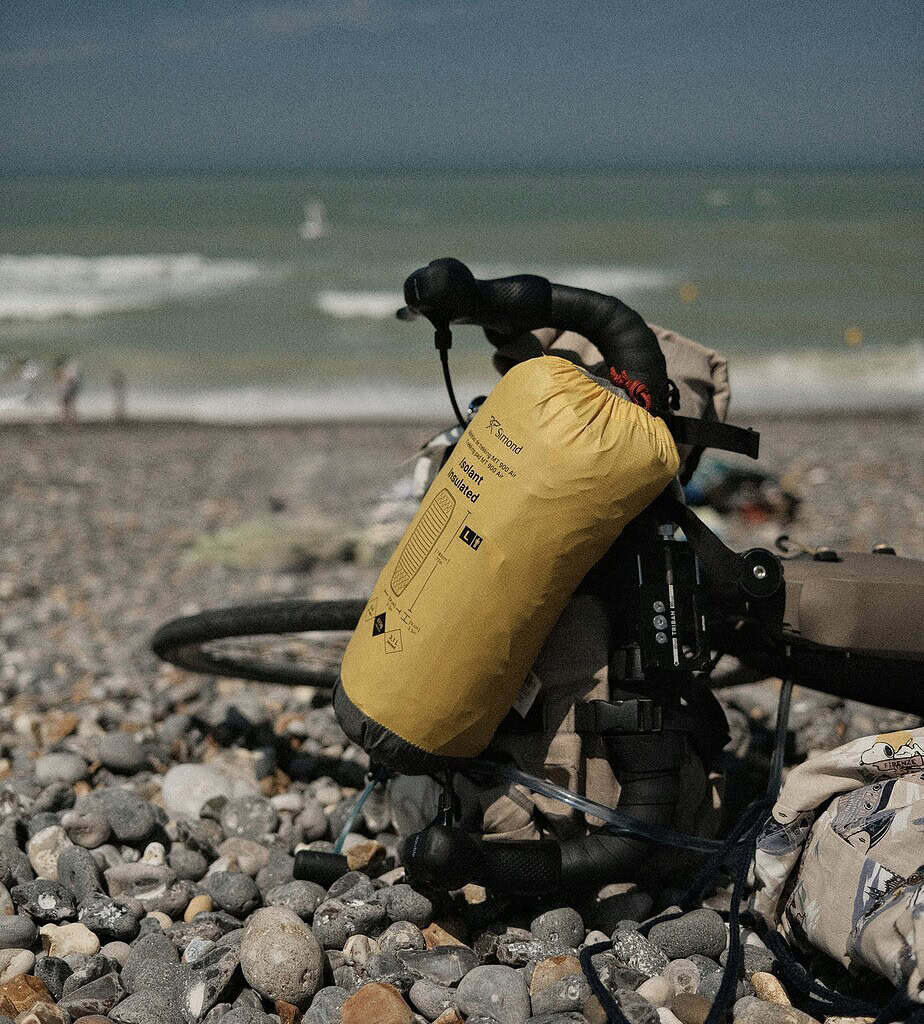
Boat tours, cenotes, and sudden rain all put your phone and wallet at risk. A small dry bag keeps them safe, and a waterproof phone pouch lets you take photos in the water without worry.
A dry bag also gives you somewhere to put wet swimsuits and towels after a day out, so the rest of your bag stays dry.
Test it at home first with a little water, since a leaky dry bag is only useful once.
Choose a bag with a roll-top closure and a comfortable strap. A small 5 to 10 liter size is enough for most trips, and it packs flat when you are not using it.
Electrolyte Packets
Between the heat, humidity, long excursions, and the occasional cocktail, it is easy to get dehydrated without noticing. Electrolyte packets are small, light, and easy to mix into a water bottle.
They are especially useful on days with long drives, ruins, or a lot of walking, and they help when you wake up feeling rough after a big night. Pick a flavor you actually like, because you are far more likely to use them.
Pack a handful in your daypack. They are cheap, take almost no space, and they can turn a headache and a sluggish afternoon into a much better day.
Quick-Dry Microfiber Towel

A microfiber towel is small, light, and dries fast, which makes it perfect for a trip with so much time in the water. It saves you from relying on hotel towels, which are often meant for the pool only.
It is also great for cenotes and beach days when you are away from your hotel. Wring it out, hang it on your daypack, and it will be dry by the time you need it again.
Pick one in a bright color so it does not get lost on a crowded beach. Choose one that packs down to the size of a water bottle, so it earns its space even on short trips.
Snorkel Gear

The Riviera Maya has some of the best snorkeling in the Caribbean, from reefs near Puerto Morelos to the bays around Akumal.
Snorkeling with sea turtles is easily one of the best things to do in Akumal, and a mask that fits your face makes the experience far better.
Rental gear is easy to find, but your own mask and snorkel fit better and feel more hygienic.
Fins are optional, since they take up space, and you can rent them if you need them.
Akumal Bay has rules in place to protect the turtles, so check current requirements before you go. Never touch the turtles, and use reef-safe protection in the water.
If you are traveling with kids, bring kid-sized masks, since poorly fitted gear leaks and turns a fun morning into a frustrating one.
Light Rain Jacket or Poncho
Rain in the Riviera Maya tends to arrive fast and leave just as quickly. Afternoon downpours are common in the wet months, which is something to keep in mind when you pick the best time to visit Cancun.
A packable rain jacket or a lightweight poncho weighs almost nothing and saves you from being soaked on a sightseeing day.
Choose one that folds into its own pocket, so it fits easily in a daypack. A small travel umbrella works as well, but a jacket or poncho is easier to manage in coastal wind when you are also carrying a bag.
Do not bother with a heavy waterproof coat. The weather is warm, so you mainly need something that keeps the water off while you wait for the sun to return.
Small Daypack

A lightweight daypack holds everything on this list that you need during the day, from water and sunscreen to a rain jacket and a power bank. It is the one bag you will use constantly.
It is also essential for day trips from Cancun to places like Chichen Itza and Isla Mujeres, where you will want your essentials with you. Keep in mind that some sites check bags at the entrance, so pack light.
Choose something with zip closures and padded straps. A water-resistant fabric is a bonus, especially if you get caught in a sudden shower.
Keep valuables in the zipped pocket closest to your back, and wear the pack in front of you in crowded markets and on public transport.
How Mexico’s Seasons Affect What You Pack
Timing shapes your suitcase as much as your itinerary. The best time to visit the Riviera Maya depends on whether you want dry weather or lower prices, and your packing list shifts with it.
The dry season runs roughly from November to April. Days are sunny and the humidity is lower, but winter cold fronts can bring wind and cooler evenings, so a light layer is useful. This is also the high season, so expect busier beaches.
From May to October it is hotter, more humid, and wetter, and afternoon showers are common. Pack extra breathable clothes and your rain jacket.
Hurricane season runs from June to November, and sargassum is most common from April to October, so check conditions before you book.
If you are traveling in the wet months, bring a second pair of shoes, since sandals and sneakers take time to dry in humid weather. In the dry season, a light sweater for evenings is usually enough.

Final Thoughts on What to Pack for Mexico
You do not need to bring everything on this list, but the essentials make the trip smoother. Sunscreen, repellent, a sun shirt, water shoes, and a few pesos cover most of what people regret leaving behind.
Pack with your plans in mind. A beach and resort trip needs different things than a week of ruins and cenotes, so use this as a base and adjust it to your route.
It also pairs well with knowing the tourist mistakes to avoid in Mexico, since the biggest headaches usually come from small oversights. Pack smart, stay flexible, and enjoy the Riviera Maya.

What should I absolutely not forget to pack for Mexico?
Sunscreen, insect repellent, a reusable water bottle, and your passport are the big four.
I would add small pesos, a backup card, and water shoes for cenotes. These are the things people most often wish they had brought.
Do I need a power adapter for Mexico?
Not if you are coming from the US or Canada, since Mexico uses the same plug types and voltage.
Travelers from other regions will need a universal adapter. A power bank is useful for everyone.
How many outfits should I pack for a week in the Riviera Maya?
About half the number of days, so around four breathable outfits plus two or three swimsuits and one smarter outfit. Laundry is cheap and easy to find, so you can mix and match and pack lighter.
Is it better to buy essentials in Mexico or bring them?
Bring sunscreen, medications, and anything you rely on. Basics like toiletries, bottled water, and snacks are easy to find at convenience stores and supermarkets, so you can buy those on arrival.
