
Is Mexico Safe to Visit? 19 Must Know Tips
Mexico pulls people in fast: warm water, cold drinks, and tacos at midnight that you will still be talking about next year.
So it makes sense that one question keeps coming up before the flights get booked: is Mexico safe to visit?
The honest answer is yes, for the most part. Millions of people visit every year and head home with nothing but good memories.
But safe does not mean you can switch your brain off at the airport, and that is really what this guide is about.
Mexico is also a huge country, and a beach town like Playa del Carmen is a very different experience from other parts of it.
I focus mostly on the Riviera Maya in this guide, from Cancun and Playa del Carmen down to Tulum, and across to Isla Mujeres and Holbox, because that is where most of you are heading.
Most problems travelers run into are small: petty theft, overcharging, a bad stomach, or a sunburn that ruins day three.
Serious incidents involving tourists are far less common in the main resort areas. Still, a few simple habits make a real difference.
I have put the 19 tips below roughly in the order you will need them. Think of this as a quick briefing so you can relax and enjoy the trip.
Check Travel Advisories State by State
Mexico is a big country, and conditions vary a lot from one state to the next, so checking the advisory for the country as a whole is not enough.
At the time of writing, the US State Department lists Quintana Roo, home to Cancun, Playa del Carmen and Tulum, at Level 2: Exercise Increased Caution.
States like Colima, Guerrero, Michoacan, Sinaloa, Tamaulipas and Zacatecas sit at Level 4.
Canada advises a high degree of caution across Mexico, with extra warnings for certain regions.
Advisories change, so look up the specific state you are visiting before you book and again a few days before you fly.
If your country offers a traveler registration program, sign up for it so you receive alerts and your embassy can reach you in an emergency.
Stick to Reputable Transportation
Most transport problems in Mexico come down to overcharging rather than danger, but I would still be selective about how you get around.
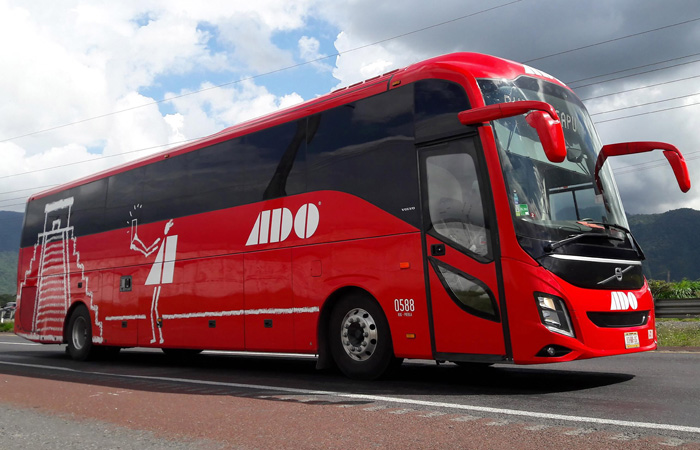
Use Uber or InDrive, pre-book your airport transfer, and take the ADO bus for longer routes. If you do take a taxi, agree on the price first and choose one from a licensed stand or have your hotel call it.
Ignore anyone who approaches you at the airport offering a ride. I explain how these tricks work in my guide to the scams in Mexico to avoid.
Before you get into any car, check that the plate and the driver match the app.
At the airport, drivers sometimes ask you to meet them a short walk from the terminal. That is normal, but follow the app’s instructions rather than a stranger’s.
Take a Cab Home Late at Night

If you are far from your hotel late at night, take a cab or a ride app instead of walking, even if the distance looks short on the map.
Poorly lit streets, quiet stretches between town and the beach, and a few drinks are a bad combination.
Walking along a busy part of Fifth Avenue in Playa del Carmen is one thing. A dark road at 2 a.m. is another.
Spend the extra few dollars. Ask the venue or your hotel to call a licensed taxi, or order a ride through the app while you are still inside.
If you are traveling alone, share your trip details with a friend so someone knows exactly where you are.
Be Careful When Driving in Mexico
Renting a car gives you freedom in the Riviera Maya, but the rules of the road feel different.
Watch for topes, which are speed bumps that are not always marked. Stay within the speed limit, avoid driving on rural roads after dark, and park in well-lit areas with nothing visible inside the car.
On major highways, the Green Angels roadside assistance service can be reached by dialing 078.
Many of the problems I hear about are avoidable, and I break them down in my guide to the tourist mistakes in Mexico.
If a police officer pulls you over, stay calm, stay polite, and keep your documents handy.
Gas stations are full service, so get out of the car, check that the pump starts at zero, and pay in pesos.
Stay Smart on Late Nights Out

Nightlife is a big part of the trip, and most nights out go without a hitch. A few habits keep it that way.
Go out with people you trust, set a limit for the night, keep your phone charged, and tell someone where you are headed.
Choosing a hotel within walking distance of the main nightlife area also shortens the trip home.
My guide on where to stay in Playa del Carmen points out the areas that make this easy.
Stay with your group, avoid unfamiliar side streets, and head back before you are too tired or too drunk to make good decisions.
Keep some cash in pesos separate from your cards, in case a card is declined or a venue only takes cash.
Alcohol Safety: Counterfeit and Spiked Drinks
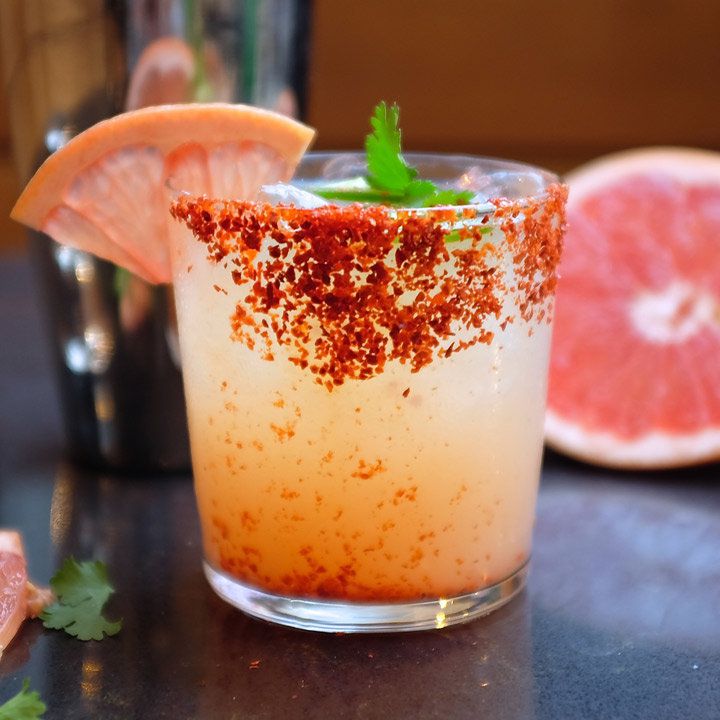
Counterfeit and tainted alcohol is a real issue in parts of Mexico. Methanol is sometimes used to stretch or fake spirits, and you cannot taste or smell it.
The risk is higher at unlicensed bars, street stalls, and anywhere the price looks too good to be true.
Drink spiking can happen anywhere in the world, and it is just as relevant here. Never leave your drink unattended, never accept an open drink from a stranger, and watch the bartender pour whenever you can.
Stick to well-reviewed venues and choose sealed bottles or cans. If you feel unusually nauseous, dizzy, or notice blurred vision after only a drink or two, tell a friend and get medical help straight away.
Beware of Pickpockets
Pickpockets work crowded places, and the Riviera Maya has plenty of them: the ADO bus terminal, ferry lines, local markets, busy stretches of Fifth Avenue, and festivals or concerts.
They go after phones in back pockets, open bags, and anyone distracted by a map or a conversation.
A common trick is a staged distraction, like someone spilling a drink on you or asking for directions while a second person does the work.
Wear a zipped crossbody bag in front, keep your phone in a front pocket, and never leave it on a restaurant table at the edge of a patio.
Be extra alert in the first few minutes after you arrive somewhere crowded, when you are still working out where everything is.
Keep Valuables Secure and Out of Sight
You do not need to bring your best jewelry, a designer watch, or an expensive camera to enjoy Mexico, and wearing them makes you a more obvious target.
Use the in-room safe for your passport, spare cards, and extra cash. Most of the best resorts in Cancun include one, and it is worth using every time you leave the room. Carry a photocopy or a photo of your passport instead of the original.
Take only what you need for the day, keep your phone out of sight when you are walking, and avoid scrolling through it on the sidewalk.
Hotel safes are not perfect, so leave anything truly irreplaceable at home. If a small safe fee applies, it is cheap insurance.
Watch Your Valuables on the Beach
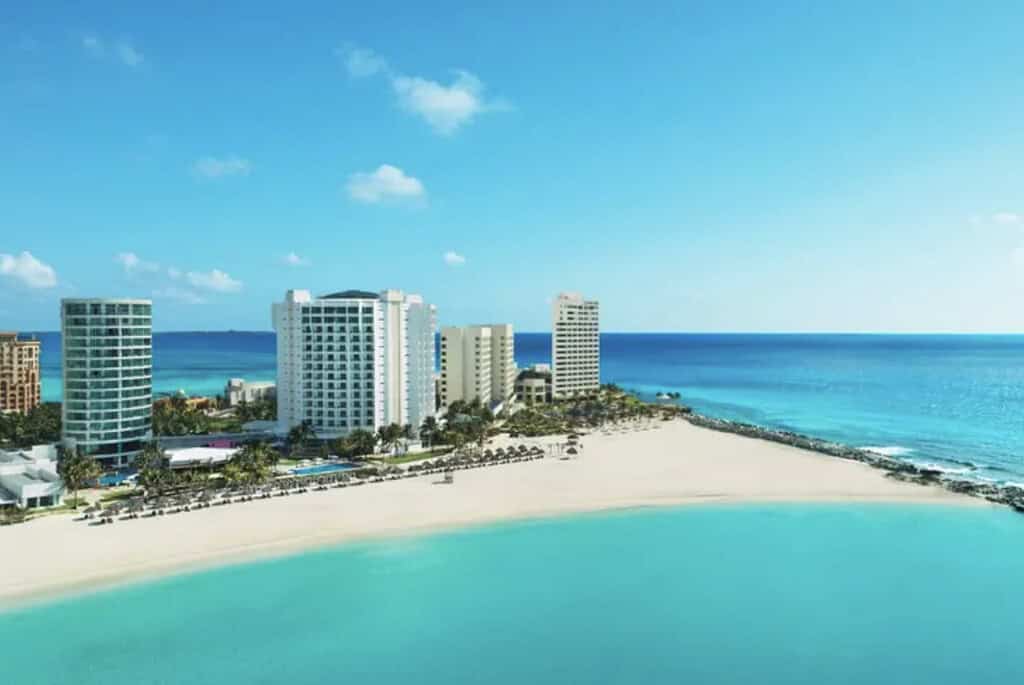
It is easy to relax on the sand and forget everything you brought with you. Do not only think about locals when it comes to theft.
Other tourists sometimes help themselves to unattended bags, towels, and phones too.
A bag left on a towel while you swim is an easy opportunity for anyone, from anywhere.
Take turns swimming if you are with a group, so someone stays with your things. Bring only the essentials, like a little cash, a room key, and a phone in a waterproof pouch.
Leave passports and extra cards in the safe, and never leave your belongings alone for a long walk or a long swim. If a beach club offers lockers, they are worth the small fee.
Respect the Beach Flags and Currents
Caribbean beaches look calm, but currents and rip currents can be strong, especially after storms or on windy days.
Many beaches use a colored flag system. Green means calm conditions, yellow means caution, and red means do not swim.
Not every beach has a lifeguard, so you often need to judge conditions yourself. Never swim alone, never swim after drinking, and avoid the water completely when a red flag is flying.
If you are pulled out by a rip current, do not fight it. Stay calm, swim parallel to the shore until you are free of it, and then swim back in at an angle.
Ask a lifeguard or hotel staff about the day’s conditions before you head in. They know the local currents far better than any guidebook.
Follow Safety Rules at Cenotes and on Tours
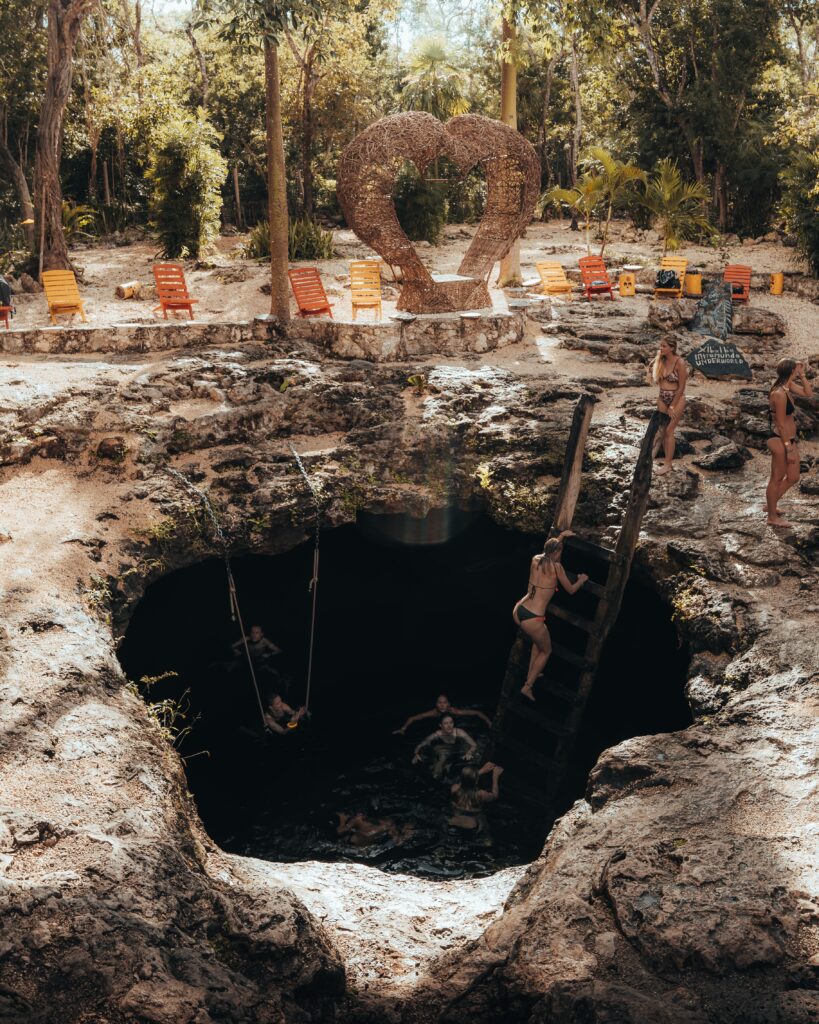
Cenotes and boat tours are some of the best parts of the Riviera Maya, and they are generally very safe when you follow the rules.
Wear the life jacket if one is required, never dive or jump into water you have not checked, and watch out for slippery rock around the edges. Cave diving is only for certified divers with a trained guide.
Choose operators with good reviews, licensed guides, and proper safety equipment, and skip boats that look overloaded.
My list of the best Cancun day trips is a good place to start when you are comparing options.
Listen to the safety briefing, even if you have done a dozen tours before. It takes two minutes and covers details that change from site to site.
Know Hurricane Season
The Atlantic hurricane season runs from June 1 to November 30, with the highest risk generally between August and October.
A trip during these months is not automatically unsafe, but weather can disrupt flights, close beaches, and change your plans quickly.
Keep an eye on forecasts before and during your trip, and follow the instructions of your hotel and local authorities if a storm approaches. Flexible bookings and the right insurance add a layer of protection.
If you are deciding when to go, my guide to the worst time to visit Cancun breaks down the months to think twice about.
Save your booking confirmations and hotel contact numbers offline in case Wi-Fi goes down, and charge your devices early if a storm is forecast.
Protect Yourself From the Sun and Heat
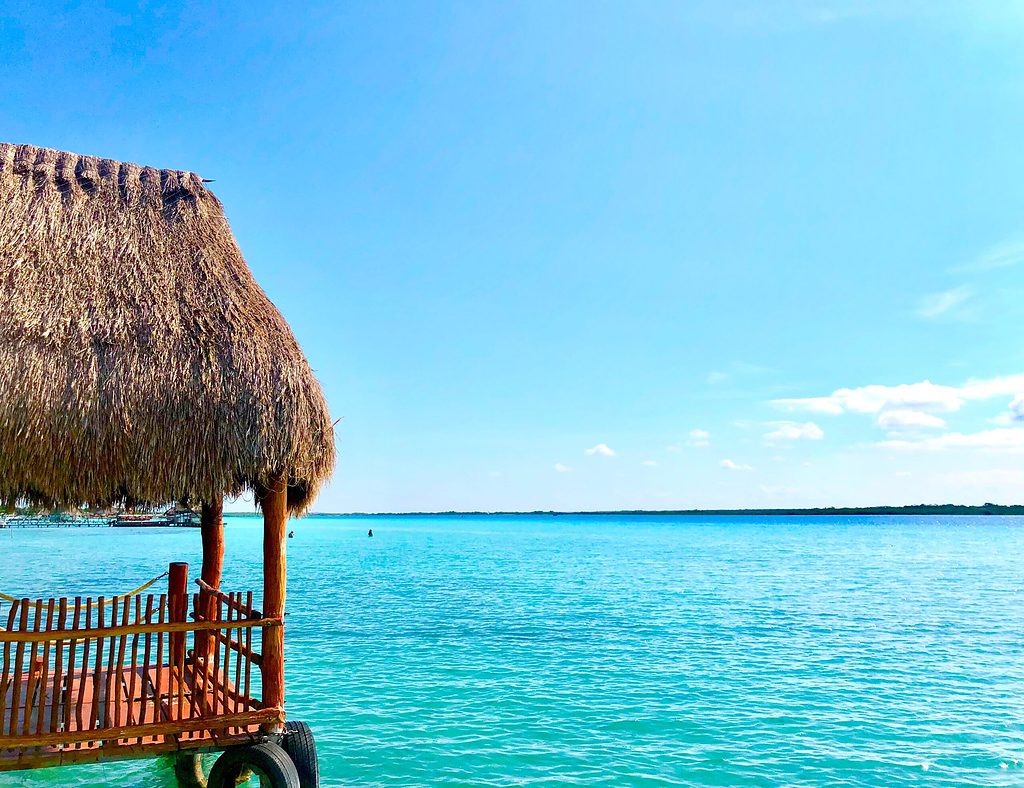
The sun in Mexico is stronger than most people expect, and heat can sneak up on you, especially if you are drinking, swimming, and walking in the same day.
Wear a hat, reapply sunscreen every couple of hours, and drink plenty of water. Take a break from the midday sun, and remember that alcohol speeds up dehydration. I list the sun gear I never travel without in my Mexico packing list.
If you feel dizzy, get a headache, or start to feel sick, move into the shade, drink water, and rest. Heat exhaustion is not something to push through.
For boat days and snorkel trips, wear a lightweight long sleeve shirt. The reflection off the water roughly doubles your exposure.
Don’t Drink the Tap Water
Tap water in Mexico is not safe to drink, and that includes Cancun, Playa del Carmen, Tulum, and the resorts. Locals use purified water, and you should too.
Use bottled or purified water for drinking and for brushing your teeth. Showering is fine, just keep your mouth closed.
Ice at established restaurants, bars, and resorts is commercially made from purified water, so it is generally fine.
At a small stall or a casual spot, it is perfectly reasonable to ask. Bottled water is cheap and easy to find, so there is no reason to gamble.
Many resorts offer purified water refills, which saves a lot of plastic.
Eat Smart to Avoid Stomach Trouble

Mexican food is one of the best parts of the trip, and I would never tell you to skip the street tacos. A few habits lower the odds of a rough day.
Choose busy stalls with fast turnover, and pick food that is cooked fresh and served hot. Be careful with anything that has been sitting out, including seafood and sauces.
Use hand sanitizer before you eat, and wash your hands whenever you can.
Pack basic stomach medication and oral rehydration salts, just in case. If you do get sick, rest, drink plenty of fluids, and see a doctor if it does not improve.
Protect Yourself From Mosquitoes
Mosquito-borne illnesses like dengue are present in parts of Mexico, so repellent is worth packing even if you are staying somewhere nice.
Use a repellent with DEET or picaridin, cover up at dusk and dawn, and pay extra attention near mangroves, jungle, and standing water.
Isla Holbox can get buggy, especially after rain, as I mention in my Isla Holbox travel guide.
Mosquitoes are most active in the early morning and evening, so plan your outfits for dinner accordingly. Long, light layers help more than most people think.
If you get bitten and later develop a high fever, a severe headache, or body aches, see a doctor and mention where you have been.
Stay Away From Drugs and Illegal Activity
Do not buy drugs from anyone, including beach sellers and people you meet in nightlife areas.
Dealers target tourists, you have no idea what is actually in the product, and police can use it as an excuse for a shakedown or an arrest.
There are other things to know. Bringing weapons or ammunition into Mexico, even a single bullet left in a bag, can lead to serious charges, and wearing camouflage clothing is restricted for civilians.
Nothing about a trip to the Riviera Maya requires any of this. Skip it and keep your holiday simple.
Even small amounts can turn into a much bigger problem than you expect, so I treat it as a hard no.
Save Emergency Numbers and Keep Document Copies

The emergency number in Mexico is 911, and it covers police, ambulance, and fire. Save it in your phone, along with the number of your hotel and your country’s embassy or consulate.
Keep a digital copy of your passport in your email or phone, and a printed copy in your bag.
Write down your hotel’s name and address, ideally in Spanish, so a taxi driver can find it easily.
Quintana Roo also has tourist police in the main resort areas, and your hotel front desk can point you to the nearest clinic. Know where to go before you need it.
Let a friend or family member back home know your plans, so someone can raise the alarm if you go quiet.
Get Travel Insurance
Just get it. Medical care in private hospitals in Mexico can be expensive, and a medical evacuation costs far more. Insurance also helps if a flight is canceled or your plans are disrupted by weather.
I use SafetyWing, and I never travel without coverage. Whichever provider you choose, read the fine print so you know what is covered, including medical care, evacuations, and lost belongings.
It is a small cost compared to what can go wrong, and it lets you enjoy the trip without having to worry about the worst case.
Buy it before you leave, because most policies will not cover something that has already happened, and keep your policy number saved offline.

Is Mexico Safe to Visit? Final Thoughts
Look, Mexico is a wonderful place to travel, and the Riviera Maya is a big reason why.
The beaches are beautiful, the food is incredible, and the people I have met along the way have been warm and welcoming. Millions of visitors have a fantastic trip every year.
So, is Mexico safe to visit? In the main tourist areas, yes, when you travel with a bit of awareness.
Nearly every tip in this guide comes down to the same habits: plan your transportation, keep an eye on your belongings, be careful with alcohol and water, and respect the ocean.
Do your research, check the current advisory for where you are going, and trust your instincts when something feels off. If you do that, you will avoid almost every problem on this list.
Safety is not about being afraid of everything. It is about small decisions, made early, that keep your trip uncomplicated, like using a ride app, locking things in the safe, and drinking bottled water.
Pack your sunscreen, grab your bottled water, and go enjoy Mexico. It is worth the trip.
Is Mexico safe for solo female travelers?
Many women travel alone in the Riviera Maya without problems, but I would take a few extra precautions. Stay in well-reviewed accommodation in busy areas, use ride apps at night, and keep an eye on your drink.
Share your location with someone you trust, and expect some unwanted attention in tourist areas. Trust your instincts and leave if a situation feels wrong.
Is Cancun safe for tourists?
The Hotel Zone and the main tourist areas see millions of visitors every year, and most have trouble-free trips. The most common issues are petty theft, taxi overcharging, and scams.
Use licensed transport, keep valuables in the safe, and check the current travel advisory before you go.
Is Mexico safe for families with kids?
Resort areas like Cancun, Playa del Carmen, and the Riviera Maya are popular with families. The main risks are sun, water, and the ocean rather than crime.
Use bottled water, reapply sunscreen often, and watch the beach flags. Staying away from the main nightlife strips also keeps things calmer for younger travelers.
What parts of Mexico should tourists avoid?
Check the advisory for each state you plan to visit. At the time of writing, the highest-risk states include Colima, Guerrero, Michoacan, Sinaloa, Tamaulipas, and Zacatecas.
Popular tourist areas like the Riviera Maya are widely visited. Avoid unfamiliar neighborhoods at night and long overland trips through areas with advisories.
