

21 Mexico Budget Travel Tips to Know
Mexico can get expensive fast, and anyone who has booked a beachfront hotel in Tulum or ordered cocktails at a beach club knows it.
The good news is that a few smart Mexico budget travel tips can save you real money without taking anything away from the trip.
I focus mostly on the Riviera Maya in this guide, from Cancun and Playa del Carmen to Tulum and the islands, because that is where most of you are heading.
Prices here have crept up, and a few things have changed recently, including entrance fees at the ruins.
This is not a guide about sleeping in hostels and living on street food. I am writing it for travelers who want a comfortable hotel, good meals, and great days out, but who do not want to pay more than they need to.
All prices below are in US dollars, with pesos in brackets where it helps. I use roughly 18.5 pesos to the dollar, which is the rate in November 2026, so expect small differences when you travel.
Think of it as spending smarter, not spending less. Here is how to do it during your visit!
Visit During Shoulder Season

The single biggest saving is when you go. High season in the Riviera Maya runs roughly from November to April, when the weather is at its best and hotel prices follow it up.
Low season runs from May to October, and July and August are usually the cheapest months, but also the most humid.
The sweet spot is the shoulder season, from late April through early June. The crowds thin out, the sea is warm, and the weather is still hot and sunny. Hotel rates drop noticeably, and restaurants and tours are easier to book.
Spring Break in March is its own busy and pricey stretch, so avoid it if you can.
Mid-range hotels in Playa del Carmen often run around $150 to $290 per night, and they cost a little more in high season. Moving your dates by a few weeks can save you serious money.
Book Nice Restaurants for Lunch Instead of Dinner
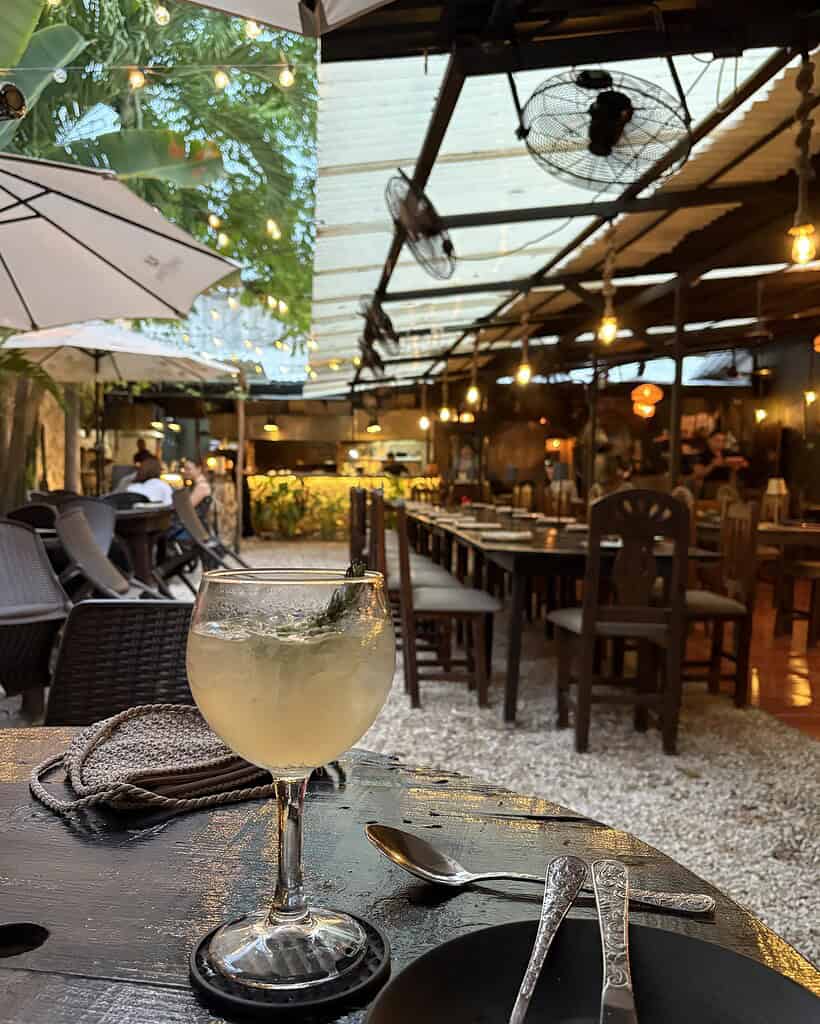
This is one of my favorite ways to eat well without overspending. Dinner in Playa del Carmen typically starts around $27 per person, while a lunch can come in around $8 to $17.
In Tulum, dinner at the best-known restaurants can reach $100 to $200 per person. Many upscale spots offer lighter or cheaper lunch menus, so you get the same kitchen, the same setting, and often better light for photos.
Check the lunch menu before you book, and make a reservation at popular places, since the best tables go quickly in high season.
I also like that restaurants are calmer at lunch, which makes for a better meal.
Save the splurge dinner for the night that really matters. Lunch lets you taste the experience for a fraction of the price.
Choose Multi-Stop Tours Over Single-Stop Tours
Chichen Itza is worth seeing, but the entrance fee alone is now about $37 (676 pesos) for foreign visitors.
Guided day trips generally run from $50 to $100 or more per person, so a tour that only visits the ruins gives you very little for the money.
Look for tours that combine Chichen Itza with a cenote swim, lunch, and a stop in Valladolid.
Valladolid is a colorful colonial town with a lovely square, and it makes the long day far more interesting.
Before you book, check what is included. Entrance fees, lunch, and transport can make two tours with similar prices very different in value.
A good tour also saves you the stress of driving, parking, and finding your own cenote.
Fewer long drives and more stops for the same money is an easy win.
Do the Math Before Booking an All-Inclusive
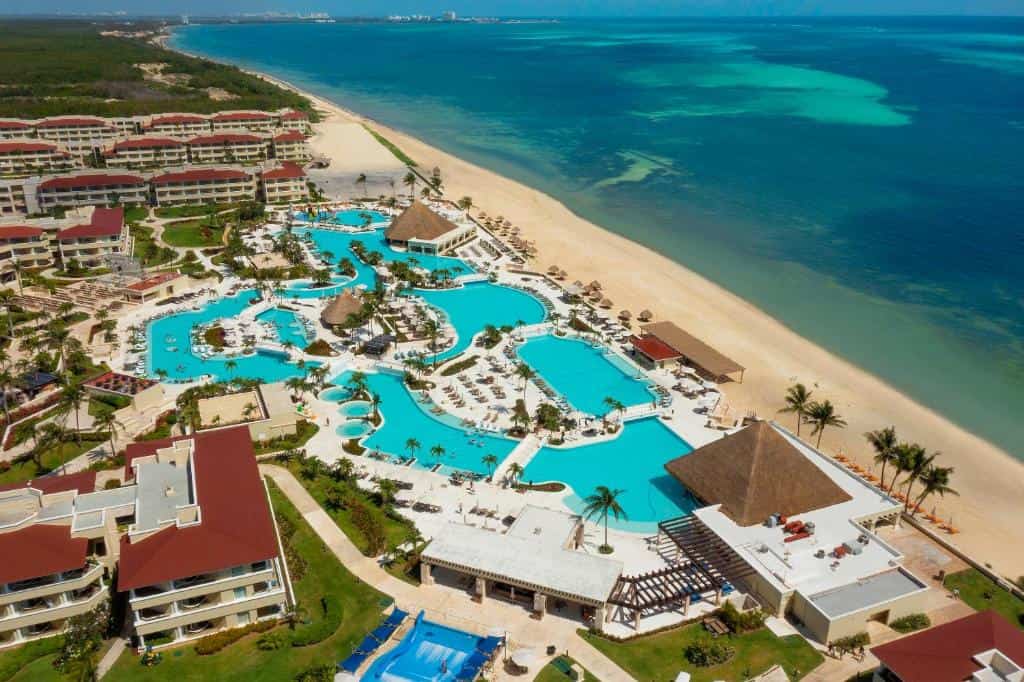
All-inclusive resorts are not automatically a bargain anymore. Prices in Cancun have climbed by roughly 25 percent since 2024, and a budget-tier all-inclusive now runs around $200 to $400 per night for two people, with mid-range resorts at $400 to $900.
Compare that with a hotel in Playa del Carmen at $150 to $290, plus food at about $50 per person per day.
For couples who like to eat out, take tours, and leave the property, the totals can end up close.
All-inclusives make the most sense if you plan to relax at the resort and use the food and drinks.
If you do go that route, my guide to the best resorts in Cancun will help you compare what each one actually includes.
Stay a Few Blocks From the Beach
You do not need to be on the sand to enjoy the beach. Every beach in Mexico is public, and in places like Playa del Carmen you can walk to the water in a few minutes.
Beachfront hotels charge a premium for the view. In Tulum, beachfront zones generally cost $100 to $250 per night, while a mid-range hotel in Tulum Town runs around $70 to $130.
A few blocks back, you usually get a larger room, a pool, and better restaurants for less money. You also stay closer to the places locals actually eat.
If you want to splurge on a view, a rooftop pool or a balcony a few blocks back can feel just as special.
Check the map before you book, and read recent reviews about the walk to the beach and the noise level at night.
Book Direct and Watch for Resort Fees
Before you book a hotel, compare the price on the booking platform with the price on the hotel’s own website.
Direct rates are sometimes lower, and some hotels throw in perks like breakfast or flexible cancellation.
The bigger issue is the total. Some hotels add resort fees or taxes at checkout, which can turn a good nightly rate into an average one. Always look at the final price, including every charge, before you pay.
If you find a better price somewhere else, it is worth emailing the hotel and asking if they can match it.
The worst that can happen is they say no. A few minutes of comparing can save you a full night’s stay.
Use Uber, InDrive and ADO Instead of Taxis
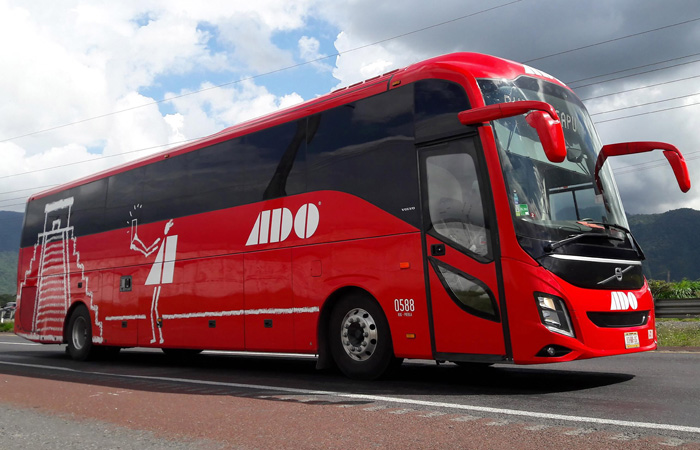
Getting from the airport is one of the easiest places to overspend. The ADO bus from Cancun airport to Playa del Carmen costs around $11 to $12 (208 pesos). A private transfer typically runs $50 to $100 for the same trip.
ADO drops you at the main terminal in Playa del Carmen, so you will need a short ride to your hotel.
That is where Uber and InDrive come in, and both operate more and more around the Riviera Maya. Rides within town usually cost $5 to $10.
I also use the apps instead of haggling with taxis, since the price is set before you get in. I cover the taxi tricks in my guide to the scams in Mexico.
For a couple with luggage and a hotel far from the terminal, a pre-booked private transfer can still be worth it. Just compare before you book.
Eat Local at Least Once a Day

A great way to keep costs down without giving up comfort is to eat local for one meal a day.
Tacos at a neighborhood taqueria can cost as little as $1 each, and a full meal at a local spot in Tulum runs about $5 to $15.
Compare that with a sit-down meal at a mid-range restaurant, which is typically $20 to $40 per person with drinks. Fine dining can climb to $60 or more.
I like to eat local for breakfast or lunch and then choose one nice dinner. You still get great food, and you still spend your evenings somewhere special.
Look for places where locals are eating, a short menu, and prices written on the wall. Those are usually the best value in town.
Use Happy Hours and Skip Resort Bar Prices
Drinks are where budgets quietly leak. A cocktail at a beach club or upscale bar can cost $15 to $25, while a local beer in town runs $2 to $4.
Happy hours are common across Playa del Carmen and Cancun, and two-for-one deals can cut the cost of a round in half. Look for them in the late afternoon, and plan your sunset drink around them.
Skip the minibar and the lobby bar where you can. Pick a favorite local spot and make that your regular stop instead.
One or two well-chosen drinks at a nice rooftop or beach bar still make a great evening, and you will not feel the sting when the bill arrives.
Stock Up at OXXO and Supermarkets
OXXO convenience stores are everywhere in Mexico, and they are a quiet budget hero.
Bottled water, snacks, beer, sunscreen, and basic toiletries all cost far less than they do at a hotel shop or resort kiosk. A large bottle of water costs about a dollar or so.
Supermarkets like Chedraui and Walmart are even better for bigger shops, and they are a good stop on the way to your hotel if you arrive by car or Uber.
Remember that tap water is not safe to drink, as I explain in my safety tips for Mexico, so buying purified water is a daily habit here.
Grab breakfast items, drinks for the beach, and a few snacks. It adds up to a surprising amount of savings over a week.
Choose Local Cenotes Over Big Cenote Parks
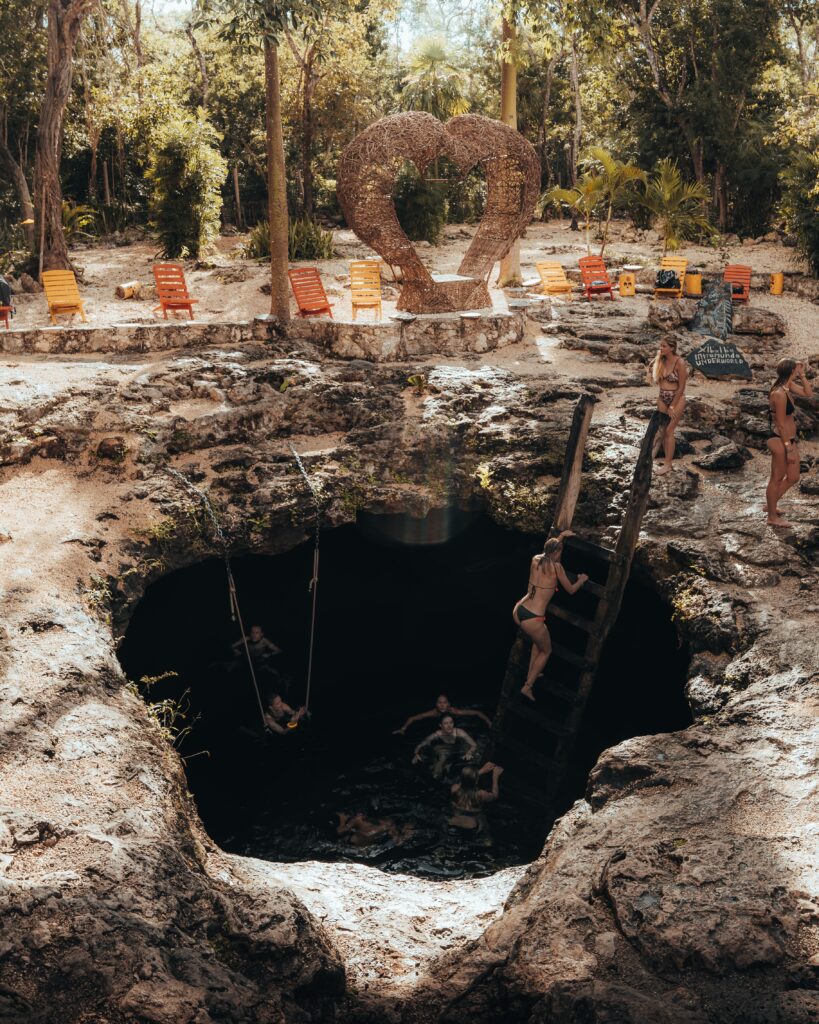
Cenotes are the highlight of the Riviera Maya, and you do not have to spend a fortune to enjoy them.
Self-guided visits to local cenotes typically cost around $5 to $15 (100 to 300 pesos).
Large adventure parks can run well over $100 per person once you add in food and extras. They are fun, but they are a very different budget.
Pick a day or two for cenote swimming and choose a few that are open, clean, and not too crowded.
Early in the morning is usually the best time to go, and it keeps costs down since you can skip the guided packages.
Some cenotes rent life jackets and lockers separately, so ask what the entry price includes.
Bring cash in pesos, since many smaller cenotes do not take cards.
Pick Your Ruins Wisely
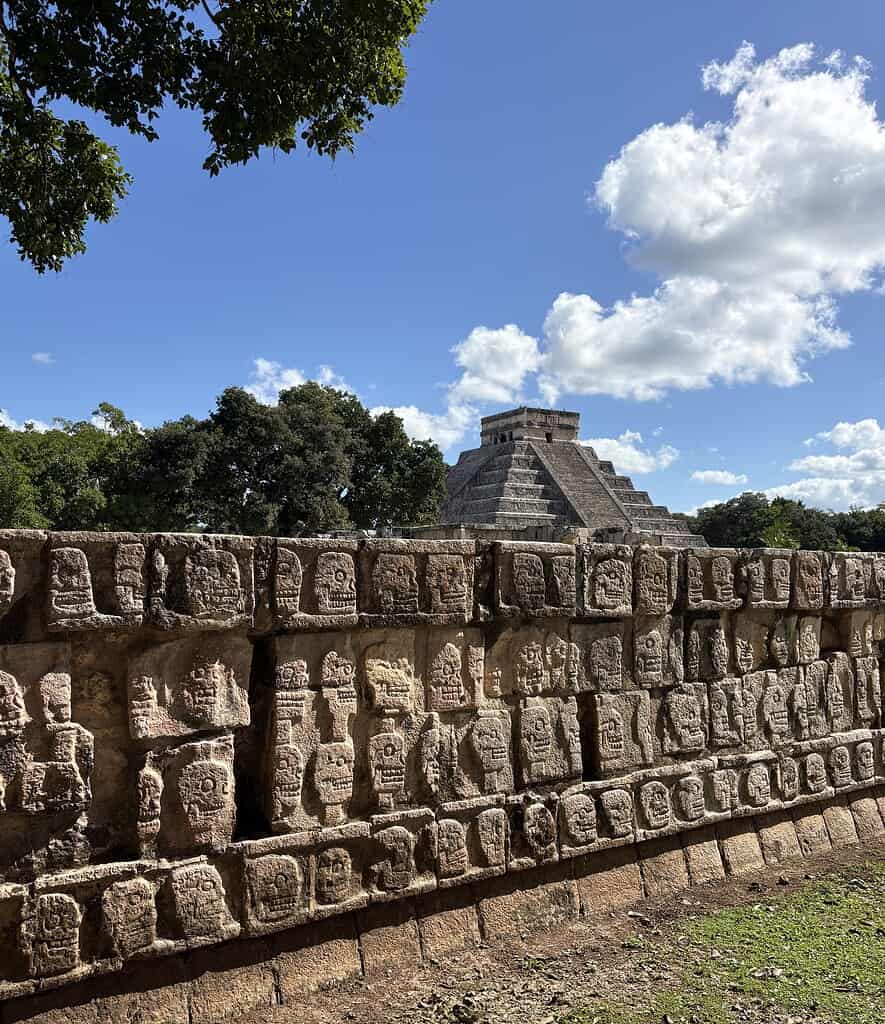
Entrance fees for the ruins went up in 2026. Chichen Itza now costs about $37 (676 pesos) for foreign visitors, while Tulum and Coba cost around $11 (209 pesos), which is double what they cost in 2025.
That makes it worth thinking about which sites are actually worth the money. If you are traveling as a family or couple, the difference adds up quickly.
Coba is a great alternative. It sits in the jungle with long shaded paths, and many visitors rent bikes or take a bike taxi to get around.
Nearby cenotes make it easy to build a full day for little more than the entry fee. Go early, since the heat and the crowds both build by midday.
Choose one or two ruins you really want to see, and skip the rest. Nobody needs to visit all of them.
Take the Public Ferries

Island days are a highlight, and the public ferries are an easy way to save. From Playa del Carmen to Cozumel, a one-way ticket costs around $13 to $16 (250 to 300 pesos), and the crossing takes about 45 minutes.
To Isla Mujeres from Puerto Juarez, the fare is around $15 to $22+ (295 to 433 pesos) each way, and the crossing is about 15 to 20 minutes. Private boats and group excursions cost far more for the same view.
Once you are there, a golf cart or a short walk is all you need to explore. I share the highlights in my guide to the things to do in Isla Mujeres.
Check the time of the last return ferry before you go, so you do not get stuck paying for a pricey private boat back.
Book the early ferry, bring a little cash for the day, and you will have more time on the island too.
Skip Beach Club Minimums and Use Public Beaches
Beach clubs are fun, but they can be expensive. In Tulum, entry or minimum spends often run from $50 to $150 per person, and drinks are priced to match.
Remember that every beach in Mexico is public, so you can always set up on the sand for free.
Bring a towel, a bag of snacks from OXXO, and a cooler of drinks, and you will have a perfectly good beach day.
If you want the beach club experience, treat it as a one-time splurge. Choose a weekday, go in the afternoon, and make sure the minimum spend is something you will actually use.
Pay for the experience once, and spend the rest of your beach days for free.
Pay in Pesos With a No-Fee Card
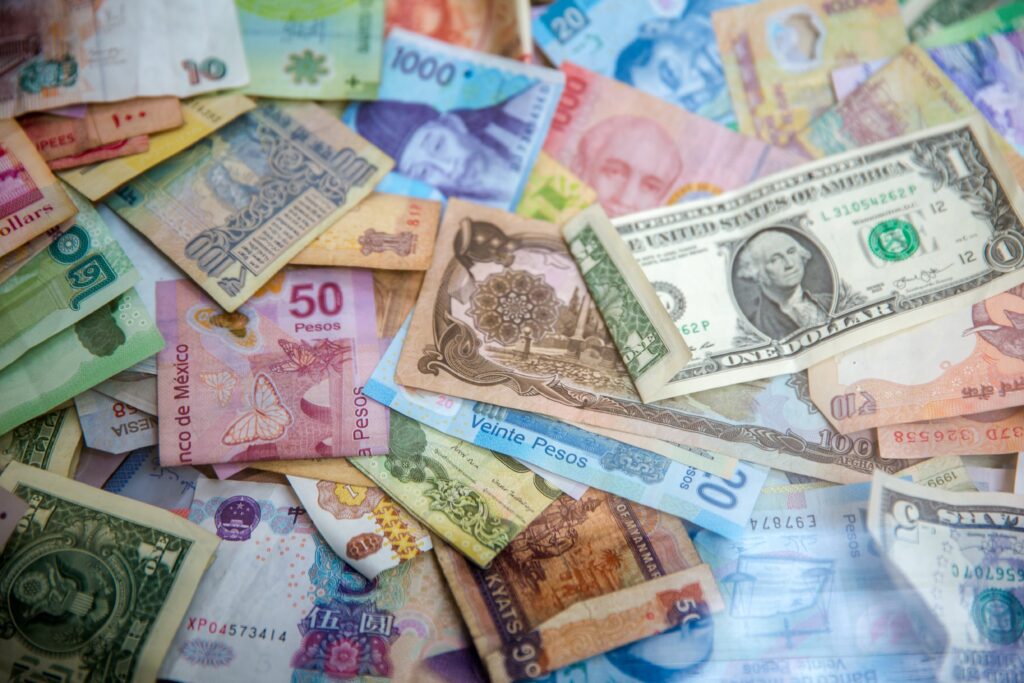
How you pay matters as much as what you pay. When a card terminal or ATM offers to charge you in US dollars, the exchange rate is rarely in your favor. Always choose pesos and let your bank do the conversion.
A typical foreign transaction fee is around 3 percent, which does not sound like much until you spend a few thousand dollars on a trip. A card with no foreign transaction fees makes a real difference.
Carry some pesos for markets, small cenotes, and tips, since many of these do not take cards. At roughly 18.5 pesos to the dollar, a few hundred dollars in cash covers most small purchases.
If you can, use one card for everything so tracking your spending stays simple.
Check with your bank before you travel, and tell them where you are going so your card is not blocked.
Book Spa Treatments Off the Resort
Resort spas charge resort prices. The same massage, facial, or body treatment is often much cheaper at an independent spa in town, and the quality can be just as good.
Look for places with strong recent reviews, a clean setting, and clear menus with prices. In Playa del Carmen and Tulum, you will find plenty of small spas within walking distance of most hotels.
Book ahead in high season, since popular spots fill up. Ask whether the price includes tax and whether a tip is expected, so you know the final cost before you sit down.
I treat a massage as a small, affordable luxury, and it is the easiest splurge to find at a fair price.
A good massage after a day in the sun is one of the best parts of a trip, and it should not cost as much as your dinner.
Rent a Car Only for the Days You Need It
A rental car is great for exploring, but it is expensive to keep for a full week. Daily rates typically run around $35 to $50, and that is before insurance, gas, and parking.
Mexican third-party liability insurance is mandatory, and it is one of the most common tourist mistakes to avoid in Mexico to book a cheap rate that leaves it out.
Instead, base yourself somewhere walkable and rent a car for just the days you plan big day trips, such as Coba or the cenotes. Many travelers find two or three days is plenty.
Parking in busy parts of Playa del Carmen and Tulum can add up too, so factor it in.
Between ADO buses, Uber, and the occasional rental, you will cover everything without paying for a car that sits unused for days.
Get an eSIM Before You Land

Roaming fees are an easy way to waste money. Many carriers charge a daily fee for using your home plan abroad, so check yours before you go.
An eSIM is usually a cheaper and simpler option. Airalo, for example, offers Mexico plans from around $5.50 for three days up to about $26 for 10GB over 30 days, depending on the network and package. Prices change, so check at the time you book.
Install it before you fly, switch it on when you land, and you will have data for maps, Uber, and translation from the airport onward. That saves the hassle of hunting for a SIM card shop on arrival.
Most phones made in the last few years support eSIMs, but confirm that yours is unlocked before you buy. It is one of the simplest ways to save money and stress at the same time.
Bring Sunscreen, Repellent and Basics From Home
Hotel shops and resort kiosks are not the place to buy sunscreen, bug spray, or medication. Prices are marked up, and you may not find the brand you like.
Pack reef-safe sunscreen, since many cenotes and parks require it, along with repellent, a basic first aid kit, and any medication you use. It costs far less at home, and it saves you a stressful shopping trip when you are already in the sun.
I list the items I always bring in my packing list for Mexico, including the small things that are easy to forget.
A few zip bags for wet swimsuits and a small dry bag for boat days are worth packing too.
A bit of planning before you fly means you can spend your money on the fun parts of the trip.
Base Yourself in One Spot and Do Day Trips
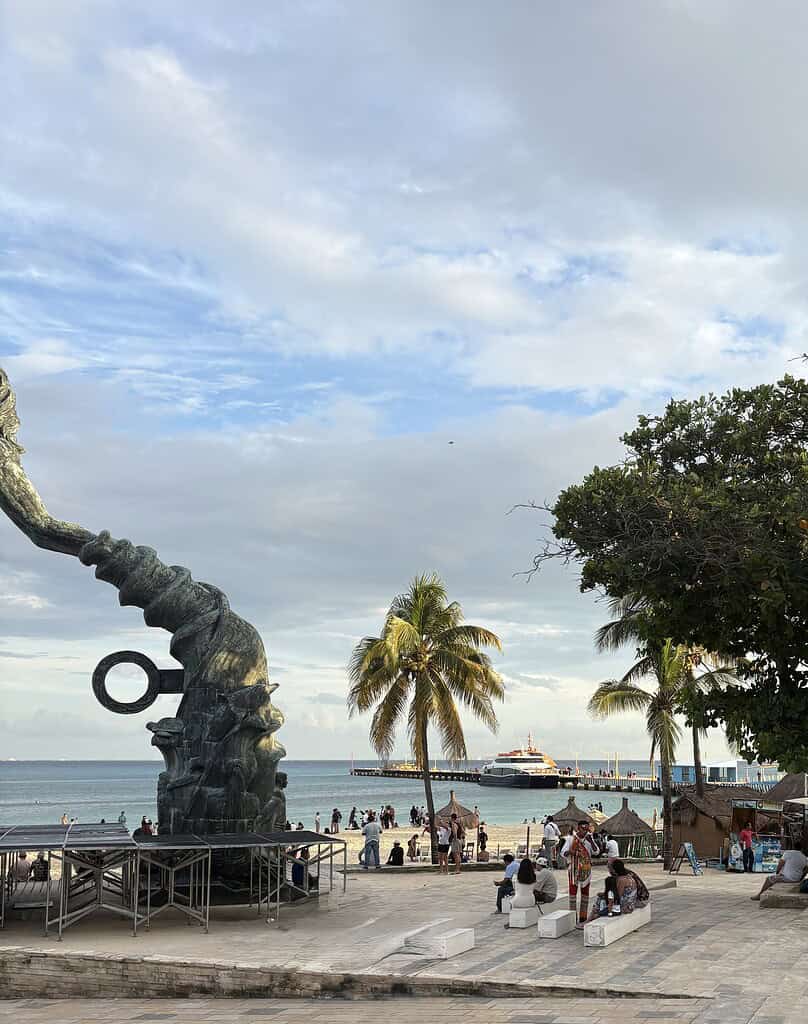
Moving hotels every couple of nights costs more than most people expect. Every move means a transfer, which can be $50 to $100 for a private ride, and a half day of packing and traveling.
Playa del Carmen is a great hub. From there you can reach Cozumel by ferry, Tulum and Akumal by ADO or Uber, and Chichen Itza by tour. You unpack once and spend your energy on the trip.
I lay out how this works in my Playa del Carmen itinerary, with day trips built around a single base.
Keep your main bag at the hotel and travel light on day trips, which also makes ferries and buses easier.
Choose a place that fits your style, stay put for most of the trip, and take the day trips from there. It is cheaper and a lot more relaxing.
Pick Two Splurges and Save on the Rest
This is the tip that ties the rest together. You do not need to save on everything. You just need to decide what really matters to you.
Pick two things to splurge on. It might be a special dinner, a private tour, a beach club day, or a nicer hotel for a few nights. Then save on everything else, using the tips above.
That is how you get the trip you want without a shock when you check your bank statement afterward.
The things you remember most are usually the best moments, not the most expensive ones.
Write your two splurges down before you go, and let every other decision follow from them.

Final Thoughts on Mexico Budget Travel Tips
Mexico is still a place where your money goes a long way, as long as you spend it on purpose.
The biggest savings do not come from skipping things. They come from timing, choosing the right tours, and avoiding the small leaks that add up.
Travel in the shoulder season. Eat lunch at the nice restaurants. Pick tours that stop in more than one place. Use ADO and ride apps. Stock up at OXXO, and choose your ruins and cenotes with care.
Then give yourself permission to spend where it counts. A great meal, a perfect beach day, or a hotel you love is money well spent.
If you take only three things from this guide, make them timing, tours, and transport. Those three decisions usually save more than all the small tricks combined.
Plan a little, compare a little, and you will have a better trip for less! Vamos Mexico amigos!
How much does a Mexico trip cost per day for a mid-range traveler?
In the Riviera Maya, mid-range travelers often spend roughly $130 to $290 per day, with the hotel making up most of it.
Tulum and Playa del Carmen tend to sit at the higher end, especially in high season. Food, transport, and activities usually add another $50 to $100, depending on your plans.
What is the cheapest month to visit Mexico?
July and August are typically the cheapest months, but they are also humid and fall within hurricane season.
For better weather at lower prices, aim for the shoulder season from late April through early June. December through March is the most expensive stretch.
Is it cheaper to stay in Cancun, Playa del Carmen or Tulum?
In general, Tulum’s beach zone is the most expensive, Playa del Carmen sits in the middle, and downtown Cancun is often the lowest.
Tulum Town is much cheaper than the beach, with mid-range hotels around $70 to $130 per night. Prices shift with the season, so compare dates before you choose.
Is Mexico getting more expensive for tourists?
Yes, in many places. All-inclusive prices in Cancun have risen by roughly 25 percent since 2024, and entrance fees at Tulum and Coba doubled in 2026.
Chichen Itza now costs about $37 per person. Mexico is still good value, but booking early and choosing carefully matters more than it used to.
